CEC projects bring together experts, governments and communities to share knowledge, build capacity, pilot scalable solutions and strengthen cooperation.
Explore in-depth reports, scientific and technical analyses, case studies and practical resources addressing North America’s most pressing environmental challenges.
Home » Events » Greening Freight Operations Across North America
Greening Freight Operations Across North America
Join the Joint Public Advisory Committee (JPAC) of the Commission for Environmental Cooperation (CEC) on December 12 in Long Beach, California, for a public forum on Greening Freight Operations across North America.
Building on the momentum of the Leaders’ Statement on a North American Climate, Clean Energy, and Environment Partnership, this JPAC forum will look at how to facilitate continental trade and economic growth while lowering freight-related GHG emissions over the long-term.
Participation at the JPAC public forum is open to the public and free of charge. Simultaneous interpretation will be provided in English, French and Spanish.
Take part in the discussion online!
Agenda
(Pacific Time)
7:30–8:30
Foyer
Registration of participants
8:30–8:45
International III
Opening and introductory remarks
Lindsay Brumwell
JPAC Chair
Lindsay Brumwell
JPAC Chair
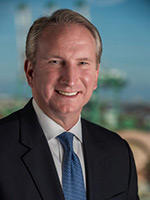
Michael Christensen
Senior Executive Lead, Supply Chain Optimization Port of Long Beach
Michael Christensen
Senior Executive Lead, Supply Chain Optimization Port of Long Beach
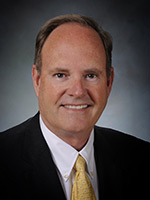
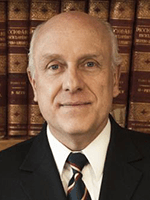
Michael Christensen, the senior executive lead on supply chain optimization for the Port of Long Beach, reports directly to the CEO and is responsible for working with industry stakeholders to optimize cargo flow through the Port. He was most recently deputy executive director at the neighboring Port of Los Angeles. His 40-year career has also included senior management positions at several major transportation consulting firms plus 16 years of service to the Southern Pacific Railroad. Christensen received an engineering degree from Arizona State University and an executive education certification from Harvard’s Kennedy School of Government. He is a registered professional engineer in 10 states.
8:45–9:00
Keynote presentation: Goods movement in North America
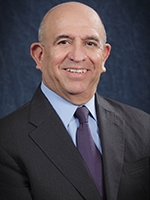
Gene Seroka is the executive director of the Port of Los Angeles, the busiest container port in North America. He was nominated by Los Angeles Mayor Eric Garcetti on May 27, 2014, and confirmed by the Los Angeles City Council on June 11, 2014. As executive director, Seroka is responsible for managing a budget of more than $1 billion, advancing major capital projects, growing trade volumes, and promoting innovative, sustainable practices that strengthen the region’s economy. His duties involve interacting with a wide range of stakeholders, including Port customers around the globe, industry partners, elected and appointed officials at all levels, harbor area residents, and business leaders. He has been appointed to the following national committees at the federal level to enhance the speed and efficiency of cargo movement and supply chain optimization: the US Department of Commerce Advisory Committee on Supply Chain Competitiveness, US Department of Transportation Bureau of Transportation Port Performance Freight Statistics Working Group, US Department of Transportation Maritime Administration Marine Transportation System National Advisory Committee, and the Federal Maritime Commission Supply Chain Innovation Team.
Seroka brings more than 28 years of experience in shipping, global logistics and executive management. He had joined APL in 1988 after earning an MBA and BSc degree in marketing from the University of New Orleans. Throughout his service at APL, he played a key role in the company’s global marketing and corporate strategies, including postings in Shanghai, Jakarta, Singapore, and Dubai, where he managed APL’s business in the Middle East and East Africa Region. He returned to the United States in 2010 to become president – Americas for APL Limited in Phoenix, where he managed APL’s Liner Shipping business, including 1,000 employees, and was responsible for all commercial, port terminal, intermodal, land transportation and labor activities throughout the region.
9:00–9:15
The CEC’s Contribution to Reducing GHG Emissions from Transportation
Panel 1– Greening North America’s freight: Reducing emissions and sharing best practices
As a key component of North America’s trade, freight transportation is important to support, while sustaining communities’ livelihood and health in a responsible way. With the movement of goods worldwide growing, emissions associated with freight transportation are a serious concern. This session will look at current initiatives for reducing the emissions from freight transportation in North America. Best practices and success stories will be discussed from both a private sector and governmental perspective.
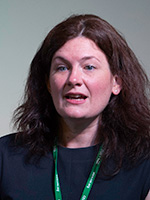
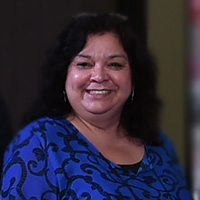
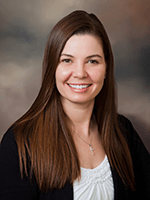
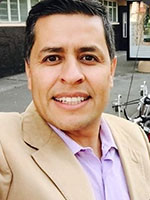
Jerilyn López Mendoza is an environmental advocate with approximately 20 years of professional experience in a variety of governmental, utility and nongovernmental organizational (NGOs) positions. Currently, she works as a senior policy advocate with the Coalition for Clean Air, a California-based statewide NGO whose sole focus is improving air quality for Californians. In this role, she is responsible for helping reduce pollution from the freight and goods movement industries.
In positions prior to this, López Mendoza served as an appointee of Governor Jerry Brown as Deputy Director for the Office of Public Participation at the California Department of Toxic Substances Control, as well as environmental affairs program manager for SoCalGas, coordinating California Air Resources Board (CARB) policy for the utility. In addition, she has served as a commissioner on the Los Angeles Board of Public Works, the California manager for NGO ICLEI -Local Governments for Sustainability, and vice president of the Los Angeles Board of Harbor Commissioners for five years. During her tenure as Harbor Commission vice president at the Port of Los Angeles, she helped develop and implement the world’s first landmark, port-related “Clean Air Action Plan,” as well as the Clean Truck Program.
For nine years, López Mendoza worked as policy director and staff attorney at the Environmental Justice Project Office of Environmental Defense Fund in Los Angeles, where she helped incubate the Los Angeles Neighborhood Land Trust, a successful community-based organization, to create new green space in the urban core, and pioneered the use of community benefits agreements to ensure community assets and reduce environmental impacts from large-scale development projects. López Mendoza earned a law degree from the University of California Los Angeles (UCLA) School of Law and her bachelor’s degree from Stanford University.
She is the recipient of several environmental honors, including the Trailblazer Award from UCLA School of Law’s Public Interest Law and Policy Program and the Los Angeles League of Environmental Voters Smith-Weiss Environmental Champion Award. Born and reared in Montebello, California, López Mendoza lives in the San Fernando Valley area of Los Angeles with her husband and young daughter.
Director of Maintenance & Engineering International Operations, Ground Fleet, UPS
Director of Maintenance and Engineering – International Operations, UPS
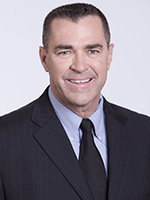
Michael Britt has spent 29 years at the United Parcel Service (UPS), working in different capacities in operations, industrial engineering, and automotive engineering. Currently, he manages maintenance and engineering for all international operations and continues to manage fleet sustainability issues globally for UPS. For 10 years he worked in California as the Regional Automotive Engineering Manager, which gave him a clear understanding of the environmental concerns in that state. Britt has led efforts in alternative fuel projects and technology development for the UPS domestic fleet and recently for the company’s international fleet. These projects include compressed natural gas, liquefied natural gas, propane, electric technology, hydrogen fuel cells, and hybrid vehicle development, including both hybrid electric and hydraulic hybrid technologies.
Britt is a member of the Society of Automotive Engineers, Technical Advisory Group to the America Trucking Association, has served as Calstart board chair and a Clean Cites board member and has been a member of the United Way board of directors in several locations. He holds a B.S. degree in automotive technology and a M.B.A. in management.
Freight Transport Branch Chief, California Air Resources Board
Heather Arias has over fifteen years of experience at California’s Air Resources Board (ARB), most recently as the Chief of the Freight Transportation Branch, overseeing the development, and now implementation of, ARB’s portion of Governor Brown’s California Sustainable Freight Action Plan. In addition, she oversaw the development of the Sustainable Freight Pathways to Zero and Near-Zero Emissions Discussion Document, implementation of the Goods Movement Emission Reduction Program, and implementation of other freight-related programs. Her previous experience at ARB includes serving as deputy director in the Legislative Office, managing implementation and audits for the Carl Moyer and Low Emission School Bus incentive programs, developing the amendments to the school bus portions of the Truck and Bus regulation, and drafting legislative proposals for school bus funding and appropriations. She began her career at ARB working on State Implementation Plans and strategies to reduce statewide criteria pollutant emissions.
Acting Coordinator and General Director, Instituto Mexicano del Transporte
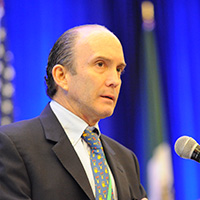
This past October, Roberto Aguerrebere returned to the Mexican Institute of Transportation (IMT) as its general director, a capacity in which he had previously served from 2009 to 2013, following a 10-year career there as researcher and program manager on intermodal and integrated transport. At IMT, his commitment is to foster new technological capabilities for improving sustainable, safe and competitive mobility for goods and people in Mexico.
Before coming to IMT, he was a graduate program professor on transport and freight distribution systems at the Autonomous University of the Mexican State of Querétaro.
Since 2007 Aguerrebere-Salido has been the First Delegate of Mexico to the World Road Association (AIPCR/PIARC) where he is a member of its Council and Strategic Theme Coordinator for Climate Change, Environment and Disasters. He has also collaborated in various capacities with the OECD-ITF Joint Transportation Research Center (JTRC) and the International Labor Office (ILO), is a member of the founding board of directors of the International Forum for Rural Transport and Development (IFRTD, held the founding Education and Research Chair of the Council of Logistics Management Roundtable-Mexico City, was a member of the board of the Centre for Sustainable Transportation-Mexico City of the EMBARQ-WRI network, and participated in the Advisory Group on Freight Transportation Sustainability for the Commission for Environmental Cooperation (CEC).
Aguerrebere-Salido has been a speaker in a number of international workshops, seminars, symposia and conferences, taking place in the Americas and Europe. He obtained his bachelor’s degree in civil engineering from the National Autonomous University of Mexico (UNAM) and a master’s degree in regional and urban development from the École Nationale des Ponts et Chaussées in Paris, France.
10:15–11:15
Facilitated Discussion with panelists and members of the audience (in-person + online)
11:15–11:30
Break
11:30–12:30
International III
Panel 2 – North America’s ports: Greening operations to achieve climate commitments
As they act as the link between freight transportation on the continent and shipments moving to and from the rest of the world, North America’s ports are strategically positioned to lead environmental initiatives that support our countries’ climate commitments. Emissions reduction can be achieved through a highly integrated freight transportation system. This session will take a look at the outstanding work by port authorities and others to share best practices between the three countries.
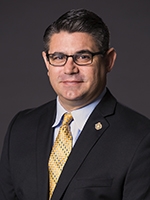
Gustavo Alanís Ortega received his law degree from the Universidad Iberoamericana in Mexico City, where since 1994 he has taught the environmental law course as a full professor at the law school. Alanís Ortega also holds a master’s degree in international law from the Washington College of Law, American University, Washington, DC. Since August 1993, he has been president of the Centro Mexicano de Derecho Ambiental (Mexican Environmental Law Center—CEMDA), a public interest environmental law firm based in Mexico City. He is also active as a columnist for El Universal, one of Mexico’s most widely read and influential newspapers; and columnist for the bimonthly journal Derecho ambiental y ecología published by the Centro de Estudios Jurídicos y Ambientales (CEJA). He is a member of the seventh cohort of the Leadership on Environment and Development Program (LEAD) of El Colegio de México.
Alanís Ortega serves on the boards of directors of the Inter-American Association for Environmental Defense (AIDA) and the World Commission on Environmental Law (CEL) of the IUCN Environmental Law Programme. He is also a member of the Environmental Law Alliance Worldwide (ELAW), the Climate Change Advisory Committee in Mexico, and the Environmental Law Advisory Group at the Department of Sustainable Development of the Organization of American States (OAS). Between April 2008 and January 2015, appointed by the Mexico City Legislative Assembly, he served on the Citizen Board of the Office of the Environmental and Zoning Prosecutor (Procuraduría Ambiental y del Ordenamiento Territorial—PAOT) and, from 2009 to 2016, he was part of the Public Participation Group of Petróleos Mexicanos (Pemex), which contributed to make the company more socially responsible.
In December 2012, Alanís-Ortega was named to the CEC’s Joint Public Advisory Committee (JPAC) for the third time, having previously served from 2001 to 2004 and 2008 to 2011.
Managing Director of Planning and Environmental Affairs Port of Long Beach
Richard D. “Rick” Cameron is the managing director of planning and environmental affairs for the Port of Long Beach, California. He joined the Port in 1996 as an environmental specialist, was promoted to manager, then director of environmental planning, and finally managing director in January 2014. In this capacity, he oversees the Planning and Environmental Affairs Bureau that includes environmental planning, master planning, and transportation planning.
As director of environmental planning, he led the division most directly responsible for the Port’s signature environmental program, the Green Port Policy, and the San Pedro Bay Ports Clean Air Action Plan. Under the Green Port Policy, the division coordinates programs to improve air, water and soil quality, preserve wildlife habitat, and integrate sustainability into Port practices. Earlier, as an environmental specialist at the Port, he worked in the areas of water quality, air quality, and California Environmental Quality Act (CEQA) documentation. Prior experience included management of various environmental programs for the Port of Los Angeles and other clients as a project manager for Essentia Management Services.
Cameron has a bachelor’s degree in urban and regional planning from California State Polytechnic University, Pomona. He is a resident of Manhattan Beach.
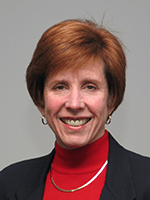
Lisa Wunder is a marine environmental manager in the Port of Los Angeles’ Environmental Management Division, supervising the operation of the air quality, hazardous material/site remediation, and administration sections, and supports the Director of Environmental Management. She has been with the Port of Los Angeles for 10 years and has 23 years of experience with environmental issues, both within the City of Los Angeles and as an environmental consultant. She received a B.S. in chemistry with specialization in earth sciences from the University of California at San Diego and a Professional Certificate in Hazardous Materials Management from the University of California at Los Angeles. In addition, she is currently pursuing a master’s degree in leadership at the University of Southern California.
Wunder is also the designated Port liaison for international collaborative efforts on various environmental initiatives, including the International Association of Ports and Harbors’ Port Environment Committee, the World Ports Climate Initiative and the Pacific Ports Clean Air Collaborative.
Jason Scherr
Manager, Environmental Sustainability Port of Prince Rupert Download Presentation
Jason Scherr
Manager, Environmental Sustainability Port of Prince Rupert
12:30–13:30
Facilitated discussion with panelists and members of the audience (in-person + online)
13:30–14:30
The Loft
Luncheon presentation
Alexis Strauss
Acting Regional Administrator, EPA Region 9 US Environmental Protection Agency
Alexis Strauss
Acting Regional Administrator, EPA Region 9 US Environmental Protection Agency
Alexis Strauss is the Acting Regional Administrator of the US Environmental Protection Agency’s Pacific Southwest Regional Office, based in San Francisco. She oversees a staff of 760, charged with implementation and enforcement of all federal environmental laws in Arizona, California, Hawaii, Nevada, the Pacific Islands, and 148 tribal nations. From 1994 to 2012, Strauss served as director of the Regional Water Division, where she led the activities under the Clean Water Act, Safe Drinking Water Act, and other statutes. Earlier in her career at EPA, Ms. Strauss worked in the Superfund and Hazardous Waste programs.
14:30–15:35
International III
Panel 3 – Reducing emissions from goods movement via maritime transportation in North America
Maritime traffic is expected to grow significantly in the coming decades with the increase in the global trade of goods. Without policies to address air emissions from ships, there is the potential for this to become an important source of pollution in coastal communities relative to landside sources, affecting domestic air quality and public health. This session will look at existing and planned initiatives to address shipping emissions in the three countries.
Orlando Cabrera
Moderator Program Manager, Environmental Quality and Climate Change, CEC Download Presentation
Orlando Cabrera
Moderator Program Manager, Environmental Quality and Climate Change, CEC
Salomón Díaz
Director of Ecological Planning Secretaría de Medio Ambiente y Recursos Naturales (Semarnat) Download Presentation
Salomón Díaz
Director of Ecological Planning Secretaría de Medio Ambiente y Recursos Naturales (Semarnat)
Senior Staff Engineer Eastern Research Group (ERG)
Matt Haber has over 34 years of experience as an air pollution professional. He is currently a senior engineer for Eastern Research Group (ERG), based near San Francisco. At ERG, he leads several projects to assist the US EPA in enforcing the North American Emissions Control Area (ECA). These have included an assessment of available remote sensing technologies and subsequent development of a plan to test two of those technologies in the field.
Prior to joining ERG, Haber served as deputy director for the Air Division of EPA Region 9, where he was actively involved in the tasks of developing air pollution control plans, including control strategies, emissions inventories, monitoring and enforcement. He represented EPA during the development of the Port of Los Angeles No Net Increase plan, which comprehensively addresses all aspects of Port operations that emit air pollution. He also led the Region 9 Ports team in comprehensively addressing issues across all media and statutory areas related to Port operations.
Haber was also part of small team in EPA’s Enforcement Office that worked closely with the US Coast Guard and EPA’s Transportation and International Offices to develop plans and methods to enforce the US portion of the North American Emissions Control Area. These plans included assessment and consideration of complex legal, technical, and international issues.
International Program Manager, Office of International and Tribal Affairs US Environmental Protection Agency
Angela L. Bandemehr is a senior international environmental program manager in Office of Global Affairs and Policy of the Office of International and Tribal Affairs (OITA) of the US Environmental Protection Agency, where she has been working since 2000 on establishing and implementing effective international partnerships and projects to address global environmental issues. Currently, she works with international organizations, international financial institutions, governments, industry and environmental organizations on global efforts to reduce the environmental and health impacts of maritime shipping, and additional areas, including on-road transportation, lead in paint and mercury use in artisanal and small-scale gold mining. She chairs the CEC Steering Committee for the project on Reducing Emissions from Goods Movement via Maritime Transportation in North America. She has been with EPA since 1992.
She has a master’s of science in environmental engineering from Michigan State University.
Director Environment & Sustainability Maersk Line / Maersk Agency USA
Lee Kindberg is head of Environment, Health, Safety and Sustainability for Maersk Line in North America. She co-chaired the EPA Ports Workgroup and serves on the US Environmental Protection Agency’s Clean Air Act Advisory Committee. She is also active in the Clean Cargo Working Group, a global group dedicated to assessing and improving the environmental impact of shipping.
Kindberg received a bachelor’s degree in chemistry from the University of Alabama and a doctorate in chemistry from the University of South Carolina. She has an extensive background in the chemical industry and joined Maersk Line in 2005.
President Cruise Lines International Association North West & Canada
Greg Wirtz was appointed president of Cruise Lines International Association – North West & Canada, a non-profit association, in March 2011. CLIA-NWC represents the major cruise lines operating in the Pacific Northwest (British Columbia, Washington State, Alaska and Hawaii) and in Atlantic Canada and Quebec. As president, he heads a Vancouver-based team that undertakes government and industry relations on behalf of the member cruise lines and he advances partnerships in communities involved with cruise tourism development. He guides the development of economic and environmental initiatives related to the cruise industry and oversees passenger security operations for the cruise lines that operate in Vancouver.
An industry veteran, Wirtz brings more than 20 years’ experience in marketing, planning and trade development to CLIA-NWC and affiliate associations based in Alaska, Fort Lauderdale and Hawaii. Prior to joining CLIA-NWC, he led the marketing and cruise operations for Port Metro Vancouver—Canada’s largest and most established cruise home port.
15:35–16:30
Facilitated discussion with panelists and members of the audience (in-person + online)
16:30–16:40
Break
16:40–17:40
International III
Public discussion: Comments, suggestions, recommendations for JPAC Advice to Council