In the Spotlight
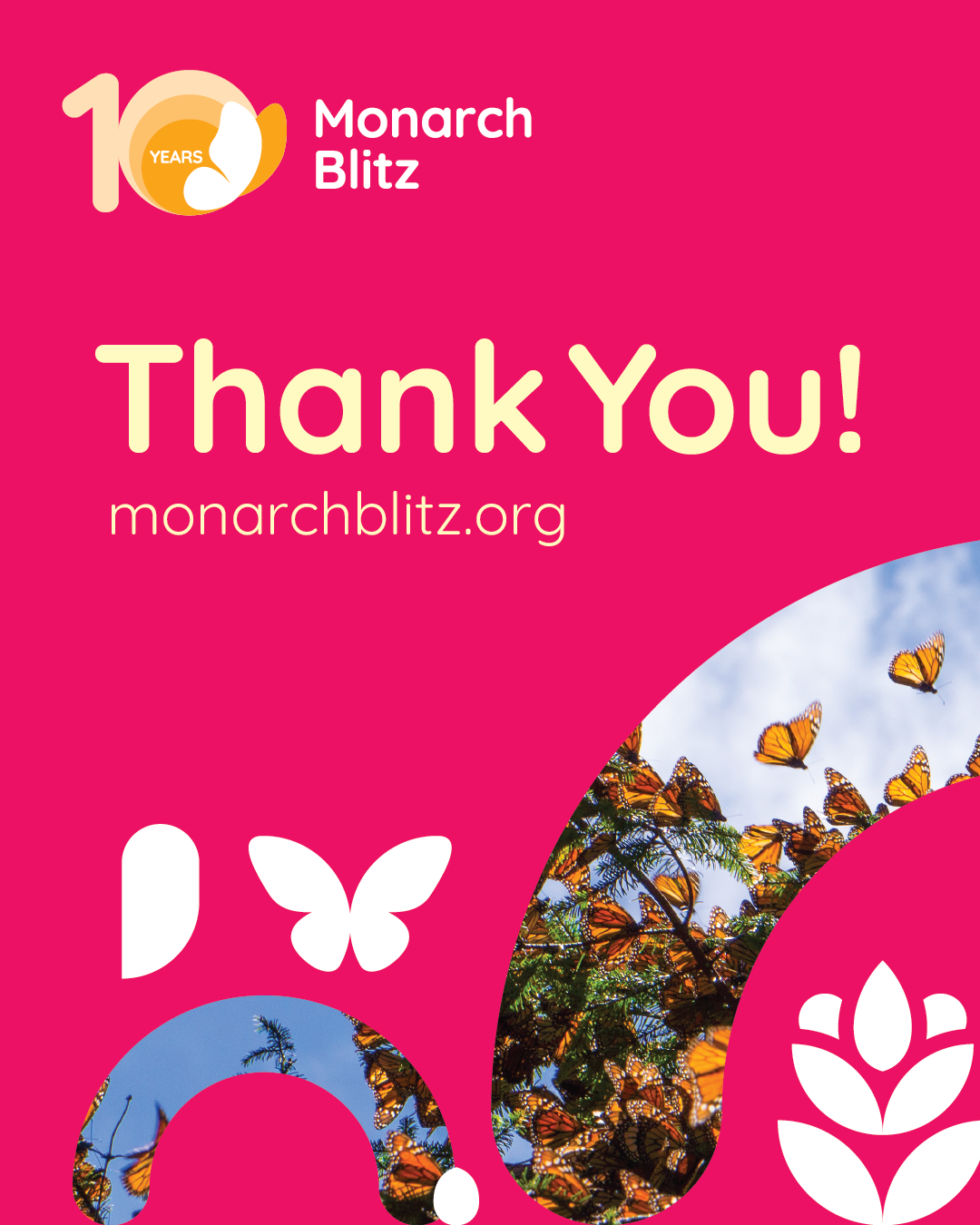
Join the Monarch Blitz’s 10th Anniversary: Every Observation Matters
Tiohtià:ke (Montreal), 23 July 2026—The International Monarch Monitoring Blitz is just around the corner! From 31 July to 9 August 2026, we invite everyone across North America to head outside and search for monarch butterflies and milkweed plants.
Topics
Climate Change
Supporting emissions reduction and helping communities adapt to extreme weather events
Environmental Justice
The pursuit of environmental justice (EJ) aims to address historical inequities, marginalization and discrimination in how environmental benefits and burdens are enjoyed or suffered by certain communities.
Ecosystems
Working with communities to conserve and restore North America's terrestrial and marine ecosystems and priority species
Enforcement
Supporting enforcement and compliance with domestic environmental law and with multilateral environmental agreements
Sustainable Living and Economies
Advancing the sustainability of our economic activities and life choices by identifying and fostering alternatives that effectively integrate the environmental, social and economic dimensions for a just and resilient North America. Our work is organized around four main areas:
Pollutants
Promoting clean air, water and land through prevention, reductions, and sound management of pollutant releases, toxic chemicals and hazardous waste
Youth Engagement
Over the years, the CEC has been committed to youth engagement and the efforts supported have provided youth with opportunities to raise awareness, provide tangible, sustainable, and innovative solutions for environmental issues in their communities, and influence CEC’s strategies, projects, and initiatives.
Indigenous Affairs
The Commission for Environmental Cooperation (CEC) recognizes the essential role that Indigenous Peoples and local communities play in environmental stewardship across Turtle Island, Madre Tierra, also known as North America.
Private Sector Engagement
The private sector plays a critical role in driving economic prosperity, innovation and sustainable development.
Featured Project
Transitioning Remote Communities to Renewable Energy
2022 Active Climate Change
Featured Publication
State of Knowledge on North American Pollinator Conservation
Shared Priorities for the Region
May 27, 2024 54 pages Ecosystems
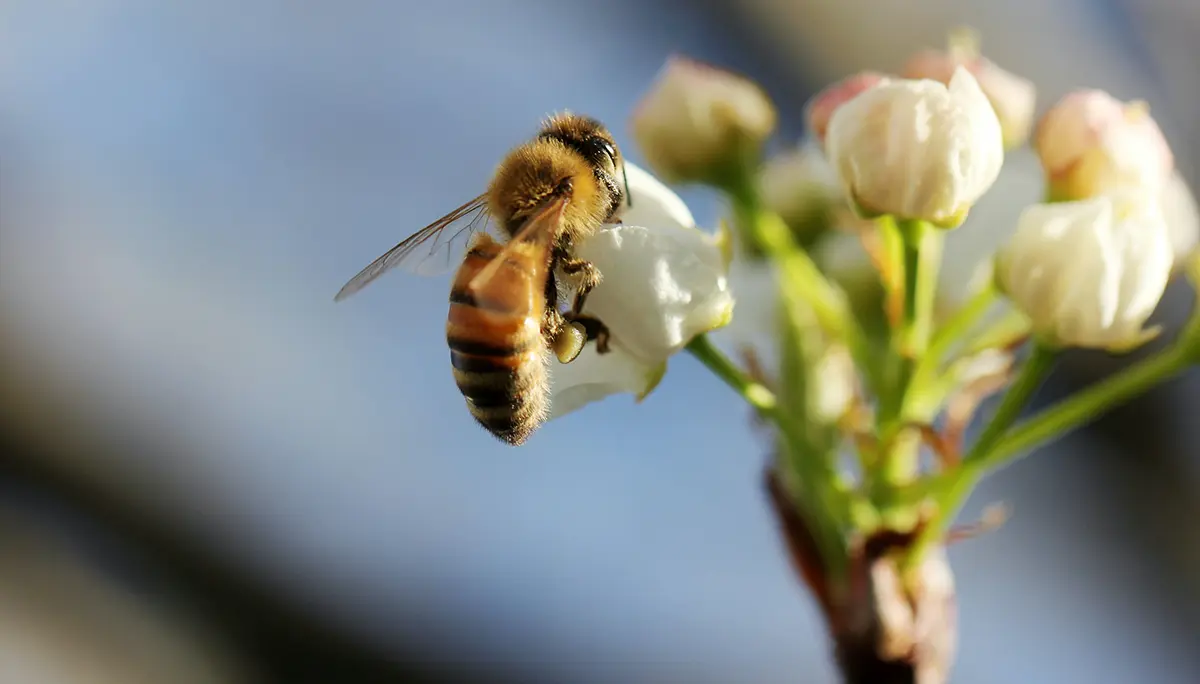
Pollinators are crucial to the functioning of natural ecosystems, human well-being and food security. Globally, an estimated 87 percent of plant species depend on animals for pollination, including 75 percent of crop species.
This State of Knowledge, intended for scientists, conservation practitioners and government agencies, offers a summary of the current understanding of pollinator conservation, highlights the ecosystem services supported by pollinators and explores how social sciences and human dimensions can contribute to pollinator conservation in North America. This report identifies priority conservation actions that would benefit from greater regional collaboration and provides recommendations on integrating human dimension considerations in pollinator conservation work.
What We Do
We conduct research, provide tools and training, and provide a unique space for decision-makers and the public to engage on environmental policy issues affecting the North American region.