CEC projects bring together experts, governments and communities to share knowledge, build capacity, pilot scalable solutions and strengthen cooperation.
Explore in-depth reports, scientific and technical analyses, case studies and practical resources addressing North America’s most pressing environmental challenges.
Home » Events » JPAC Public Forum on Reaching Horizon 2030: An Environmental Outlook for North American Cooperation
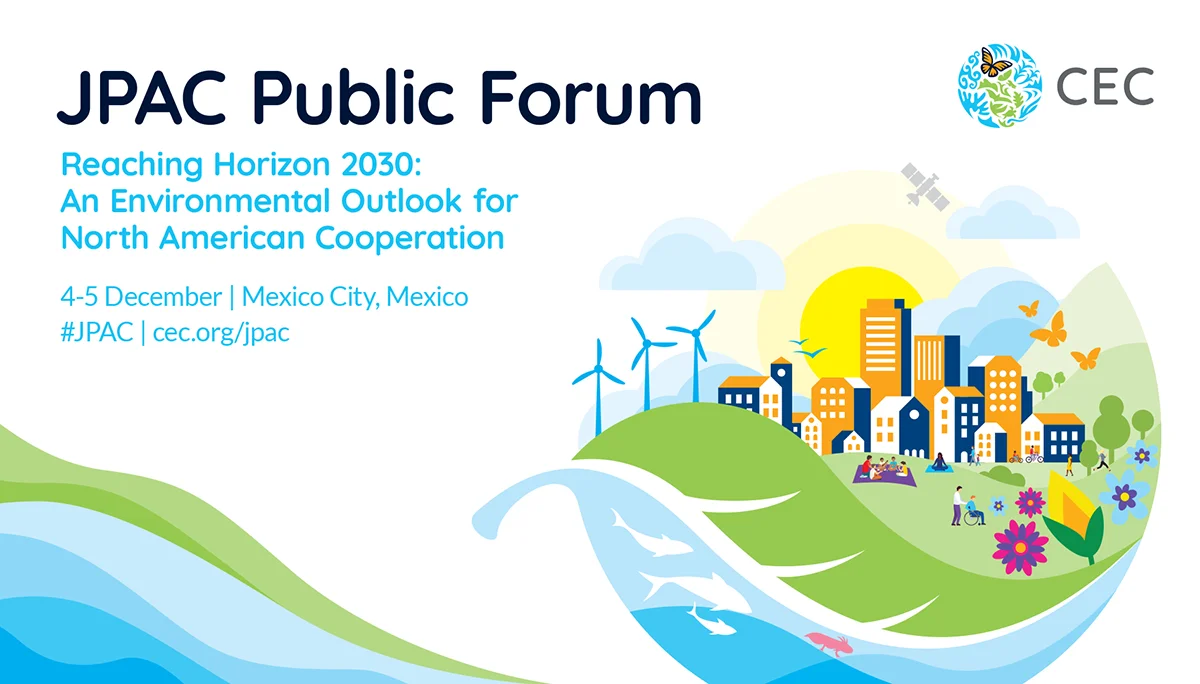
JPAC Public Forum on Reaching Horizon 2030: An Environmental Outlook for North American Cooperation
The global community recognizes that we are in a critical decade where meeting 2030 climate and biodiversity goals is essential to keeping global warming within 1.5°C and addressing biodiversity loss. The CEC initiative, Reaching Horizon 2030: An Environmental Outlook for North American Cooperation (H-2030), aims to ensure that the CEC’s strategies, programs and partnerships effectively support Canada, Mexico and the United States in meeting key climate and biodiversity targets, while contributing to global leadership.
In this context, this Public Forum will serve as a platform for discussing how CEC efforts can be strategically aligned with international goals and identifying concrete actions and collaborative opportunities to help the North American region address the triple planetary crisis. Combining expert presentations with in-depth discussions among policymakers, experts, communities and key actors, the Forum aims to develop strategic recommendations for advancing actions by 2030 and crafting strategies to achieve regional and global environmental objectives, focusing on three priority areas:
Earth Observation Technologies and Other Geographic Information System (GIS) Tools
Sustainable Transportation
Ecosystem Services / Sustainable Use and Management of Biodiversity
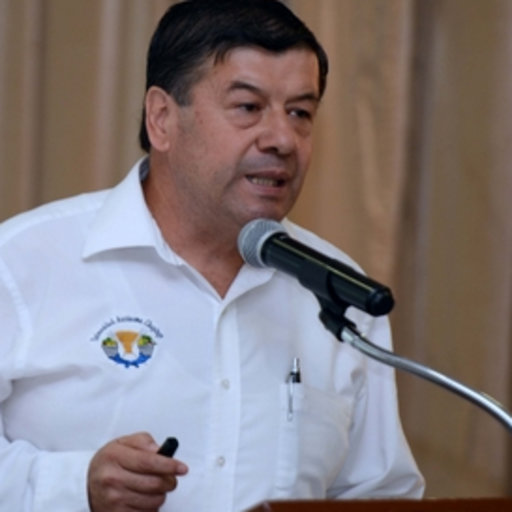
An agricultural engineer with an MA and PhD in tropical agroecosystems from the College of Postgraduates, Esteban Escamilla Prado’s doctoral dissertation concerned the study of organic coffee quality in Mexico. Since 1987, he has been a research professor at the Eastern University Regional Center (CRUO) of the Autonomous University of Chapingo (UACh), in Huatusco, Veracruz. Formerly the director of CRUO, he is currently research director at the National Center for Coffee Research, Innovation and Technological Development (Cenacafé). Aside from his research and teaching responsibilities, he dedicates part of his time to training and outreach work, teaching courses and offering certificate programs on comprehensive sustainable coffee cultivation, organic agriculture, biodiversity, sustainable land use, and agroforestry. Having ample experience in coffee cultivation, his research includes a range of topics: plant genetic resources, genetic improvement, coffee growing systems and technologies, economic diversification, edible insects, and worm farming. He has directed and advised numerous undergraduate and postgraduate dissertations. He has also published numerous books, articles and manuals, as well as presented many papers in local, national and international events.
Throughout his professional career, Escamilla Prado has participated in diverse activities related to comprehensive sustainable coffee cultivation in Mexico and various coffee-producing countries in Central and South America, with a focus on training and advising small scale and Indigenous producer cooperatives on organic production, fair trade and quality control. As an organic coffee producer himself, he is a founding member of the “Catuai Amarillo” cooperative and the Federation of High Mountains Specialty Coffees (Incafesam), social enterprises that export organic coffee to the United States and Europe. Moreover, he is a member and current president of the Steering Committee of the Mexican Certification Authority for Ecological Products and Processes (Certimex). He is a former mayor of Chocamán, Veracruz, his place of residence. Since 2019, he has collaborated with the Sowing Life program of the Mexican government’s Ministry of Welfare as an agroforestry and sustainable coffee cultivation expert.
Jorge Daniel Taillant serves as the CEC’s Executive Director since August of 2022.
He is a life-long global advocate for human rights and environmental protection. His career spans several decades, working with international development agencies, as an advisor to governments, leading innovative civil society organizations and networks, and with disadvantaged communities to tackle some of the world’s most pressing environmental challenges.
He has spear-headed incisive global initiatives to link human rights and environmental advocacy, pushing for more effective public policies, stronger legislation and greater corporate accountability and respect for human rights and environmental sustainability.
During the past decade, he has turned his focus to tackling the triple planetary crisis of climate change, pollution and biodiversity loss, advocating for immediate actions to aggressively phase out the most intense climate pollutants, such as methane, black carbon, hydrofluorocarbons (HFCs), and tropospheric ozone (O3), while promoting inclusive, equitable and resilient adaptation for the most climate-vulnerable and disadvantaged communities.
9:30 am-9:40 am
Setting the Stage on Earth Observation Technologies and Other GIS Tools
Orlando Cabrera-Rivera is the Head of the Environmental Quality Unit at the CEC. He oversees the development and implementation of North America-wide environmental quality projects and capacity building efforts under the CEC’s cooperative work program relating to air quality, climate, chemicals management, pollutant release and transfer registers (PRTRs), and environmental health. Orlando has over thirty years of experience in the environmental management field and in the development and implementation of international, national, regional, and local environmental pollution management and policy initiatives. He has a Bachelor of Science degree in meteorology from the Department of Oceanic and Atmospheric Sciences at the University of Wisconsin-Madison, and a Master of Science degree in land resources management from the Gaylord Nelson Institute for Environmental Studies at UW-Madison.
9:40 am-10:40 am
Session 1: Expert Panel on Earth Observation Technologies and Other GIS Tools and Climate Change
This expert panel will explore opportunities for regional collaboration to take advantage of existing and emerging earth observation technologies, and other GIS tools, that can support climate change mitigation and adaptation efforts. The panel will also consider how data from these technologies and tools can be combined with social data to identify opportunities for improving the condition of disadvantaged communities and those with compounded vulnerabilities.
Steve De Roy
Chief Executive Officer, The Firelight Group
Steve De Roy
Chief Executive Officer, The Firelight Group
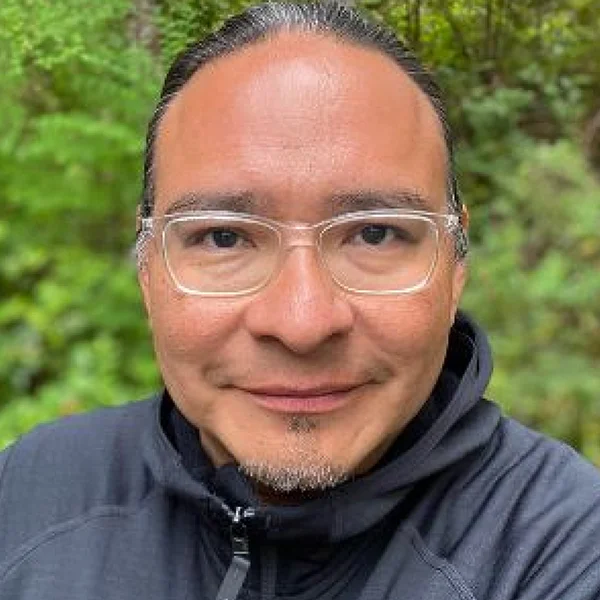
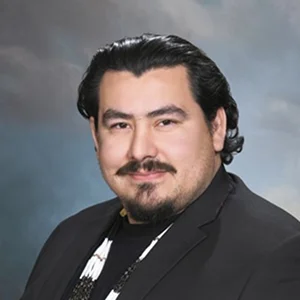
Steve DeRoy, an Anishinaabe/Saulteaux from the Ebb and Flow and Lake Manitoba First Nations in Treaty 2 territory, is the co-founder, director, and CEO of The Firelight Group and founder of the Indigenous Mapping Collective, based in Vancouver, BC. An award-winning Indigenous entrepreneur, he specializes in mapping, geographic information sciences, business development, and natural resources management. Since 1998, Steve has mentored Indigenous practitioners, conducted risk assessments, and led studies on Indigenous knowledge for energy projects. He has also worked with Google and Apple to ensure Indigenous lands are accurately represented on their maps.
President, MbisBin Semilla para la Siembra (Seeds for Sowing)
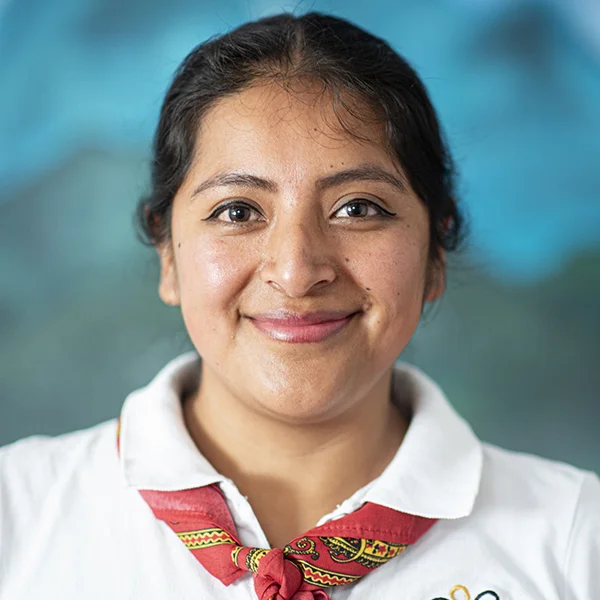
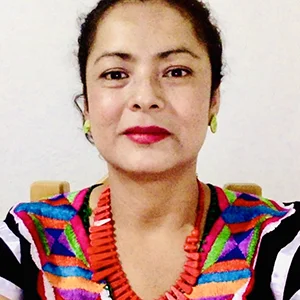
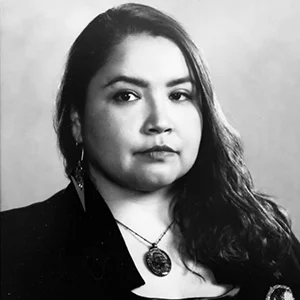
Blanca Estela Sánchez Reyes is a 32-year-old Zapotec Indigenous woman from San Miguel Suchixtepec, Oaxaca, Mexico, who has dedicated her career to community work since 2010. Motivated by her interest in sustainable development, she did undergraduate studies in rural development, specializing in strengthening community processes. In 2012, she co-founded MbisBin Semilla para la Siembra, a grassroots organization that promotes alternatives based on efficient water management, agroecology and forest conservation as solutions to environmental issues in the state of Oaxaca. In addition to serving as serving as the president of MbisBin, she leads projects which contribute to improving livelihoods in the rural communities where the organization works.
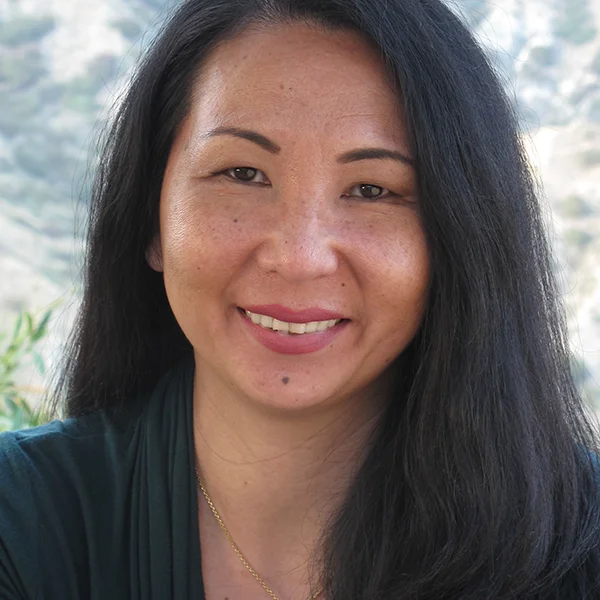
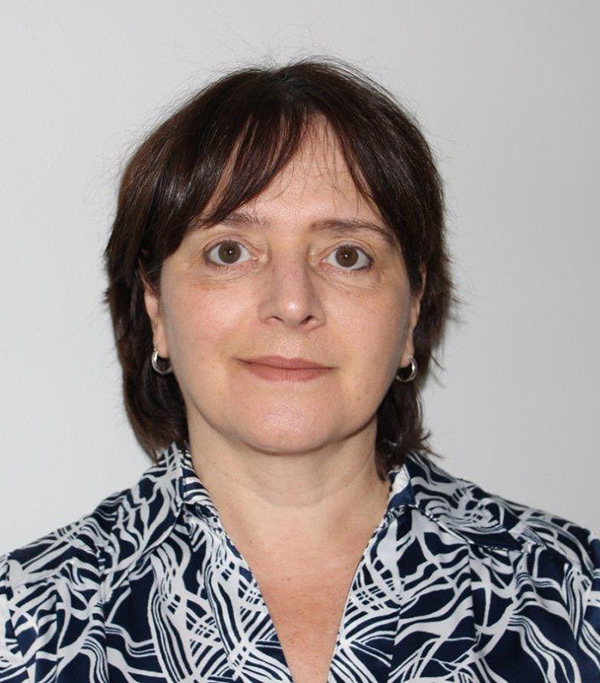
Judy Lai-Norling is Chief Operating Officer for Carbon Mapper, a nonprofit organization with the mission to drive greenhouse gas emission reductions by making methane and carbon dioxide data accessible and actionable. Prior to Carbon Mapper, she spent 14 years at NASA’s Jet Propulsion Laboratory, where she had an array of experience in program management, spaceborne and airborne business development, project planning, systems engineering, and business management. Her career focus over the past eight years has been on turning satellite and airborne remote sensing data into actionable science-based insights, usable by policy makers and decision makers to serve broader societal needs.
10:40 am-10:55 am
Movement Break
10:55 am-12:00 pm
Roundtables on Earth Observation Technologies and Other GIS Tools for Climate Change Mitigation and Adaptation
This segment will provide an opportunity for invited experts, NGOs, government representatives and the public-at-large, to reflect on the expert presentations, and to discuss the following topics (with guiding questions as provided in Annex 1):
Perspectives, priorities and gaps
Opportunities for regional collaboration
Solution-making for all
Successful approaches for replication, scaling and regional impact
Session 2: Expert Panel on Sustainable Transportation and Pollution Reduction
This expert panel presentation will explore strategies and opportunities to advance cleaner, more sustainable transportation, particularly examining areas where concentrations of emissions are contributing significantly to regional pollution and impacting local community health.
Tier II Canada Research Chair in Indigenous Resiliency and Assistant Professor of Sociology, University of Lethbridge
Apooyak’ii/Dr. Tiffany Hind Bull-Prete, a member of the Kainai (Blood Tribe) of the Blackfoot Confederacy in Treaty 7 territory, is the Tier II Canada Research Chair in Indigenous Resiliency and an assistant professor of sociology at the University of Lethbridge. Her work centers on implementing the Truth and Reconciliation Commission’s Calls to Action on the Blood Reserve. An alumna of the University of Alberta, she has received notable honors, including the SSHRC Postdoctoral Fellowship and the University of Calgary's Provost’s Award for Indigenous and Black Scholars. Her award-winning research addresses the impacts of colonization, intergenerational trauma, and Indigenous education, and is highlighted by the exhibit Stolen Kainai Children: Stories of Survival.
Consultant in Mobility and Public Transportation in Mexico, German Agency for International Cooperation (GIZ)
Andrés Rojo Maurer is an industrial engineer who holds an MSc in Integrated Water Resources Management. Since 2014, he has been active in international cooperation projects focused on implementing local scale climate action measures—to reduce carbon footprints (through mitigation) and also enhance urban resilience (through adaptation)—around issues such as sustainable mobility, the circular economy, urban planning, utilization of ecosystem services and urban water-cycle stewardship. Currently, he is a consultant on mobility and public transportation with two German Agency for International Cooperation (GIZ) projects in Mexico: Promoting efficient and intelligent public transport in Mexico (TranSIT) and Urban infrastructure for climate-friendly and safe mobility (Moverse).
Director, International Partnerships Program, International Council on Clean Transportation
Tim Dallmann is the International Partnerships Program Director at ICCT. He leads ICCT’s activities to support multilateral initiatives working to hasten the global transition to zero-emission vehicles, including the International ZEV Alliance and ZEV Transition Council. Tim also manages ICCT’s contributions to The Real Urban Emissions (TRUE) Initiative, which applies real-world emissions data to support the development of low-emission transport policies in cities around the world. He has expertise in measurement and analysis of vehicle emissions and their impacts on air quality and climate. Tim holds a B.S. in Civil and Environmental Engineering from the University of Wisconsin, Madison, as well as an M.S. and a Ph.D. in Civil and Environmental Engineering from the University of California, Berkeley.
2:10 pm-3:10 pm
Roundtables on Sustainable Transportation for Pollution Reduction (Table Discussions and Share)
This segment will provide an opportunity for invited experts, NGOs, government representatives and the public-at-large, to reflect on the expert presentations, and to share their expertise, experience and insights on four topics (with guiding questions as provided in Annex 1):
Perspectives, priorities and gaps
Opportunities for regional collaboration
Solution-making for all
Successful approaches for replication, scaling and regional impact
3:10 pm-3:25 pm
Movement Break
3:25 pm-4:25 pm
Session 3: Expert Panel on Solution-Making for All
This expert panel presentation will explore strategies and opportunities to address the triple planetary crisis in ways that will benefit all peoples of the region. Panelists will explore dimensions of environmental justice, engagement of and solution-making with and for disadvantaged communities and those with compounded vulnerabilities.
Ingrid Waldron
Professor and HOPE Chair in Peace and Health in the Global Peace and Social Justice Program, McMaster University Download Presentation
Ingrid Waldron
Professor and HOPE Chair in Peace and Health in the Global Peace and Social Justice Program, McMaster University
Dr. Ingrid Waldron is a professor and HOPE Chair in Peace and Health at McMaster University, Founder and Executive Director of The ENRICH Project, and Co-Founder of the Canadian Coalition for Environmental and Climate Justice. Her research examines the health impacts of social inequalities, focusing on environmental racism, climate change, and mental health in Black, Indigenous, and racialized communities. Dr. Waldron’s advocacy, including her book There’s Something in the Water and a Netflix documentary, has raised awareness of environmental racism. She co-developed Canada’s first environmental racism bills and has received numerous awards for her work.
Gustavo Sánchez Valle
President of the Executive Committee of Red MOCAF, and Secretary of the Board of Directors of the Mesoamerican Peoples and Forests Alliance (AMPB)
Gustavo Sánchez Valle
President of the Executive Committee of Red MOCAF, and Secretary of the Board of Directors of the Mesoamerican Peoples and Forests Alliance (AMPB)
A native of Sayula, Jalisco, Mexico, Gustavo Sánchez Valle is an agricultural engineer, specializing in agricultural economics, who holds an MA in Regional Rural Development from Capingo Autonomous University. Currently, he is president of the Executive Committee of the Mexican Network of Peasant Forestry Organizations (Red MOCAF), as well as secretary of the Board of Directors of the Mesoamerican Alliance of Peoples and Forests (AMPB). He is also a member of the following bodies: Board of Directors of the Mesoamerican Territorial Fund; Steering Committee of the Community Land Rights and Conservation Finance Initiative; Board of Directors of the Rights and Resources Initiative; Indigenous Peoples and Local Communities Advisory Committee of the ART Architecture for REDD+ Transactions Program; Global Committee on Indigenous Peoples and Local Communities of the Governors’ Climate and Forests Task Force; and Board of Directors of the UN-REDD+ Program.
René LaPointe Jameson
Founder and Leader, Black Girl Environmentalist - Boston HUB, and Environmental Engineer
René LaPointe Jameson
Founder and Leader, Black Girl Environmentalist - Boston HUB, and Environmental Engineer
René LaPointe Jameson is a community organizer and environmental engineer passionate about health equity and environmental justice. René earned her BS in Environmental Engineering from Tufts University with a self-designed focus on the root causes of environmental issues, capitalism, colonialism, and white supremacy. René is a Tufts Balfour Scholar, recipient of the Presidential Award for Civic Life, and CDC Undergraduate Scholar. Today, René completes research and advocacy with marginalized communities disproportionately exposed to environmental hazards. She has lived and conducted research around the world. She is also the founder and leader of the Boston HUB of the national nonprofit Black Girl Environmentalist.
4:25 pm-4:55 pm
Session 4: Youth Voices on H-2030
In this session, three youth experts representing youth across North America and who facilitated a discussion on youth engagement as part of CEC’s Youth Engagement Week, will share the perspectives, priorities and recommendations for regional action in response to the triple planetary crisis.
Sophie McCafferty
Educational Program Coordinator, the Hudson Food Collective
Sophie McCafferty
Educational Program Coordinator, the Hudson Food Collective
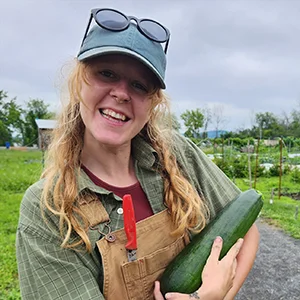
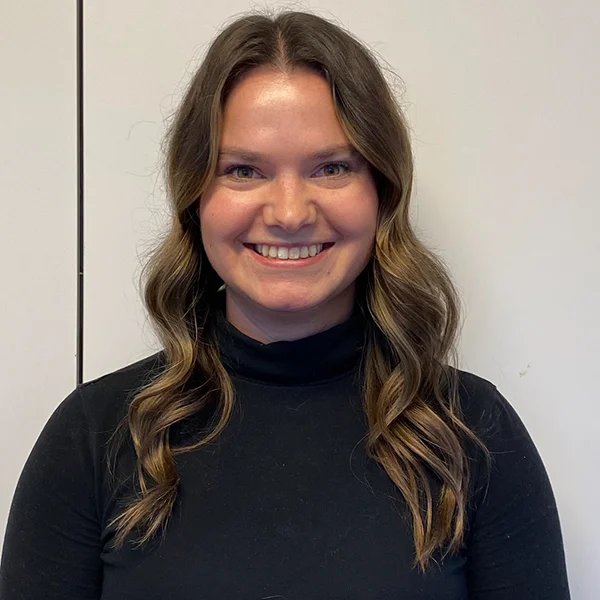
Passionate about food, community and land stewardship, Sophie (she/her) can usually be found with her hands in the ground. She brings her experience in agroecological, community-driven initiatives, locally and globally, with a strong foundation in decolonial feminist training and gender-based violence policy. Committed to amplifying youth voices in environmental spaces, Sophie is excited to join the 2024 YEW team. Her priority topics for the H-2030 initiative are centering Indigenous Knowledge and promoting ecosystem services within agriculture to support biodiversity. She is excited to learn and contribute and looks forward to engaging with youth perspectives on pressing environmental issues.
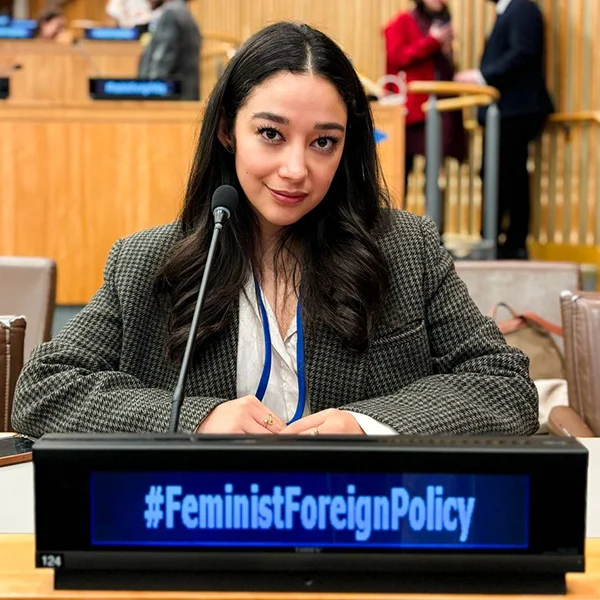
Frida Treviño is a 28-year-old chemical engineer who has worked as a sustainability strategist in the private sector; she has also been a youth representative in international contexts and in the Mexican Congress. Her greatest interest is in helping to close the gap between international treaties and the domestic implementation of climate policies, giving voice in this process to those who are facing the worst consequences of the climate crisis. Taking advantage of the CEC’s Youth Participation Week as a tool for addressing this social injustice, Frida, as a young Mexican woman, has the privilege of not only representing North American youth, but also being a part of the trilateral discussions that will enable the region to confront the triple planetary crisis.
Environmental Activist and Co-Founder, Leaders4EARTH
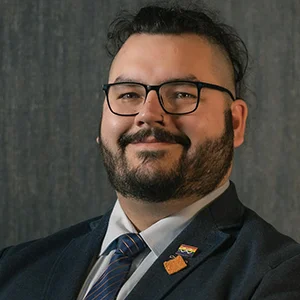
Agustín Ángel Bernabé is an environmental health activist dedicated to empowering youth and communities through environmental justice initiatives across California. As a Facilitator for the 2024 Youth Engagement Week, Agustín is excited to amplify youth voices on critical environmental issues and engage in meaningful dialogue at the CEC JPAC Public Forum. Driven by firsthand experiences with climate challenges in Guerrero, Mexico, and extensive work across diverse regions, Agustín brings a unique perspective on health, inclusive solutions aligned with the H-2030 priority topics.
4:55 pm-5:00 pm
Day 1 Closing Comments
Julian Portilla
Forum Facilitator
Julian Portilla
Forum Facilitator
5:00 pm-7:00 pm
Networking Social (only for in-person participants)
Time Zone: Central Standard Time (CST)
7:30 am-8:30 am
Salones México, Hotel BelAir Business CDMX WTC
An agricultural engineer with an MA and PhD in tropical agroecosystems from the College of Postgraduates, Esteban Escamilla Prado’s doctoral dissertation concerned the study of organic coffee quality in Mexico. Since 1987, he has been a research professor at the Eastern University Regional Center (CRUO) of the Autonomous University of Chapingo (UACh), in Huatusco, Veracruz. Formerly the director of CRUO, he is currently research director at the National Center for Coffee Research, Innovation and Technological Development (Cenacafé). Aside from his research and teaching responsibilities, he dedicates part of his time to training and outreach work, teaching courses and offering certificate programs on comprehensive sustainable coffee cultivation, organic agriculture, biodiversity, sustainable land use, and agroforestry. Having ample experience in coffee cultivation, his research includes a range of topics: plant genetic resources, genetic improvement, coffee growing systems and technologies, economic diversification, edible insects, and worm farming. He has directed and advised numerous undergraduate and postgraduate dissertations. He has also published numerous books, articles and manuals, as well as presented many papers in local, national and international events.
Throughout his professional career, Escamilla Prado has participated in diverse activities related to comprehensive sustainable coffee cultivation in Mexico and various coffee-producing countries in Central and South America, with a focus on training and advising small scale and Indigenous producer cooperatives on organic production, fair trade and quality control. As an organic coffee producer himself, he is a founding member of the “Catuai Amarillo” cooperative and the Federation of High Mountains Specialty Coffees (Incafesam), social enterprises that export organic coffee to the United States and Europe. Moreover, he is a member and current president of the Steering Committee of the Mexican Certification Authority for Ecological Products and Processes (Certimex). He is a former mayor of Chocamán, Veracruz, his place of residence. Since 2019, he has collaborated with the Sowing Life program of the Mexican government’s Ministry of Welfare as an agroforestry and sustainable coffee cultivation expert.
8:45 am-8:55 am
Day 1 Recap
Julian Portilla
Forum Facilitator
Julian Portilla
Forum Facilitator
8:55 am-9:55 am
Session 5: Expert Panel on Indigenous Rights and Traditional Ecological Knowledge
This expert panel will focus on the perspectives, priorities, resilience, leadership, and self-determination of Indigenous Peoples in relation to the triple planetary crisis. The session will also highlight the vital role of Traditional Ecological Knowledge (TEK), exploring the unique contributions of Indigenous Knowledge Systems to understanding and addressing this crisis. Panelists will present on the strategies and actions of their tribes, nations, or communities to ensure the meaningful inclusion of TEK and the respect of Indigenous rights in addressing the triple planetary crisis across the region.
Jason Chernow
Provincial Secretary of Environment, Climate Change, and Emergency Management, Metis Nation within Alberta
Jason Chernow
Provincial Secretary of Environment, Climate Change, and Emergency Management, Metis Nation within Alberta
Jason Chernow is the elected Citizens’ representative for the Calgary Elbow Métis District, as well as the Secretary of Environment, Climate Change, and Emergency Management for the Otipemisiwak Métis Government of the Métis Nation of Alberta. Jason descends from proud Métis roots and grew up surrounded by a strong Métis community. Jason has a long background in working within indigenous organizations and Métis government structures under a number of roles, and is dedicated to using his experience to bring Métis traditions and culture into our modern lifestyles.
Co-President, Task Force on Indigenous and Local Knowledge, IPBES
Consultant, academic and sustainability activist, Guadalupe Yesenia Hernández Márquez advises governments, educational institutions and businesses on the socio-environmental aspects of projects implemented with financing from international banks. In addition to her expertise in the conservation and protection of biocultural diversity, heritage and rights, through the facilitation of protocols in relation to Indigenous peoples and local communities, she has experience in policy advocacy on environmental and biodiversity issues at the local, national and international issues. As director of biodiversity with the organization, Rueda de Medicina (Medicine Wheel), A.C., she promotes the program, “Biodiversity: opportunity and responsibility,” to contribute to the conservation and sustainable use of the natural wealth of Indigenous and peasant communities in Mexico.
Oki. Kitsiksimaatsimmahpowawa anooma kiitawahsinoon. Niistoakoke Iitoomsaokaa’sii. Nimohtoto Akainai. Nimohtotsiitapii mammyoyiiksi kii akaipokaiksi. Ninna anistawa Aatsakoomahkainai, Niiksista Naatosaakii. Diandra Bruised Head is Blackfoot from the Kainai Blood Tribe in Southern Alberta, Canada. She is a graduate of the Lethbridge College and University of Lethbridge in Environmental Sciences and began her career working in the field, connecting directly to the land through scientific data collection. In 2017, she was hired as Blood Tribe Climate Change Coordinator to raise awareness about the severe changes predicted, and to encourage youth, elders, and the community to act in resilience together. This led to the development of the Kainai Iinnii Rematriation project, which welcomed plains bison to communal lands as a practice of Indigenous Sovereignty in 2021. Diandra was elected to the Blood Tribe Chief and Council leadership team in November of 2020. During her four-year term, she led the people with Blackfoot values. She plans on continuing to advocate for landscape-scale Bison Rematriation.
9:55 am-10:10 am
Movement Break
10:10 am-10:20 am
Setting the Stage on Ecosystem Services/Sustainable Use and Management of Biodiversity
Lucie Robidoux
Head of Unit, Ecosystems, CEC
Lucie Robidoux
Head of Unit, Ecosystems, CEC
10:20 am-11:20 am
Session 6: Expert Panel on Ecosystem Services/Sustainable Use and Management of Biodiversity
This expert panel will explore the actions that increase the provision of ecosystem services in the region, including opportunities for improving biodiversity management and strengthening water management across key groups in North America.
Kai Chan
Professor, Institute for Resources, Environment and Sustainability, University of British Columbia Download Presentation
Kai Chan
Professor, Institute for Resources, Environment and Sustainability, University of British Columbia
Kai Chan is a professor at the University of British Columbia and holds the Canada Research Chair in Re-Wilding and Social-Ecological Transformation. Trained in ecology, policy, and ethics at Princeton and Stanford, he focuses on transforming social-ecological systems to be both sustainable and wilder. Kai leads the CHANS lab and co-founded CoSphere. He is a UBC Killam Research Fellow and a member of Canada’s Clean16 and Clean50 for 2020. Kai is also a Leopold Leadership Program fellow, senior fellow of the Global Young Academy, and coordinating lead author for the IPBES Global Assessment.
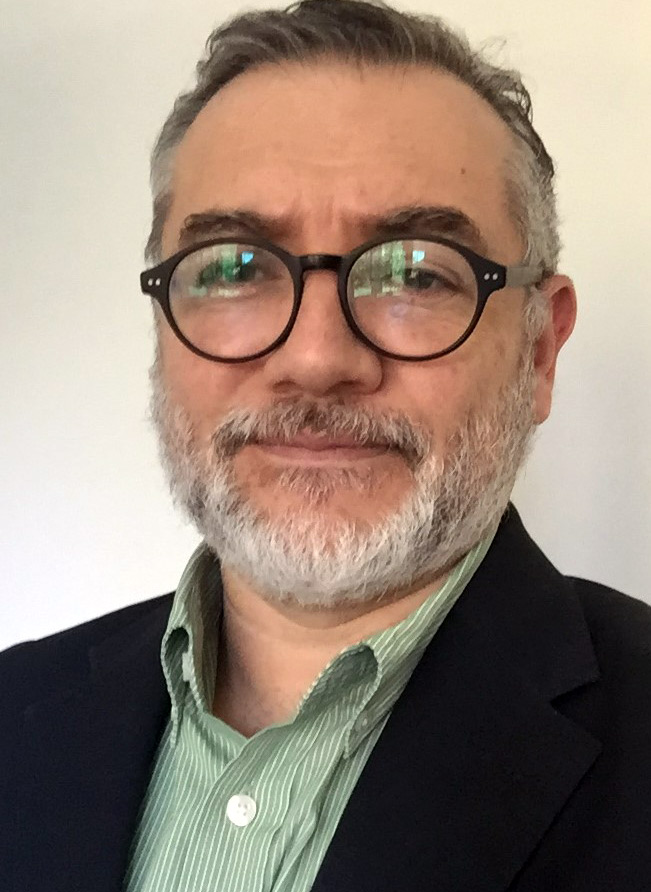
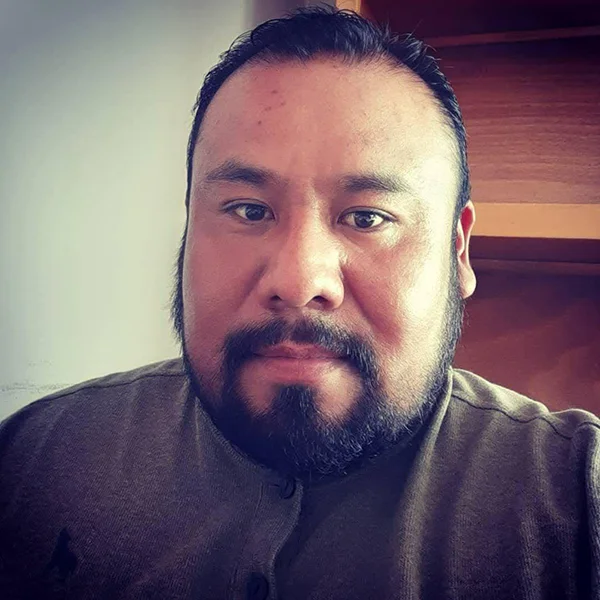
Luis Fueyo MacDonald’s work experience in conservation issues dates back to 1979. In that year he received training under a joint program of the United Nations Development Programme (UNDP) and Food and Agriculture Organization (FAO), aimed at evaluating the fishery resources of Mexico’s Exclusive Economic Zone (EEZ). For years, he was a researcher at Mexico’s National Fisheries Institute before collaborating with rural communities in aquaculture and fisheries activities. He has also worked for the Mexican federal government in the area of environmental law enforcement and as head of the National Commission for Protected Natural Areas (Conanp). Since 2019, Fueyo MacDonald has been an environmental consultant.
Frankie Myers
Principal and Co-Founder, Fix The World Consulting
Frankie Myers
Principal and Co-Founder, Fix The World Consulting
Frankie Myers is currently serving his second and final term as Vice Chairman of the Yurok Tribe, the largest federally recognized tribe in California and is the Principal/Co-Founder of Fix The World Consulting. Residing on the Yurok Indian Reservation in California with his wife and five children, his input was instrumental in the successful removal of four dams on the Klamath River as part of the largest salmon habitat restoration project in world history. Frankie oversees two construction and environmental restoration businesses that employ hundreds of individuals and generates millions of dollars in revenue to the Yurok Tribe and tribal community.
11:20 am-12:20 pm
Roundtables on Ecosystem Services/Sustainable Use and Management of Biodiversity
This segment will provide an opportunity for invited experts, NGOs, government representatives and the public-at-large, to reflect on the expert presentations, and to share their expertise, experience and insights on four topics (with guiding questions as provided in Annex 1):
Perspectives, priorities and gaps
Opportunities for regional collaboration
Solution-making for all
Successful approaches for replication, scaling and regional impact
12:20 pm-1:20 pm
Lunch at Restaurant Bistro
1:20 pm-2:05 pm
Session 7: Expert Panel on Subnational Governments Role in Addressing the Triple Planetary Crisis
This expert panel presentation will explore the actions being taken and the strategies and opportunities that exist through subnational entities to address the triple planetary crisis in ways that will benefit all peoples of the region. They will be asked to reflect on how they can partner with their federal/national counterparts and work strategically with the CEC to deliver concrete actions across the region.
Annie Provencher
Environment and Climate Change Portfolio Lead, Energy, Infrastructure and Resource Management, Manitoba Métis Federation—National Government of the Red River Métis Download Presentation
Annie Provencher
Environment and Climate Change Portfolio Lead, Energy, Infrastructure and Resource Management, Manitoba Métis Federation—National Government of the Red River Métis
Annie Provencher is the Environment and Climate Change Portfolio Lead within the Energy, Infrastructure and Resource Management Department for the Manitoba Métis Federation, the National Government of the Red River Métis. Annie is responsible for advocating and advancing Red River Métis climate resiliency through assisting in delivering environmental programs and initiatives under the Manitoba Métis Federation’s Environment and Climate Change Portfolio. Annie is also responsible for planning and implementation of MMF’s emergency preparedness and mitigation efforts to assist Red River Métis Citizens in the event of a disaster to take a proactive approach against the undeniable climate change. Annie holds a Bachelor of Arts in Geography from the University of Manitoba as well as a Legal Assistant Certification from Red River College. Annie is originally from a small town in Manitoba and is an avid hiker and actively is looking for the next place to explore in Manitoba and around the world. When Annie is not out hiking, she’s spending time with her husband and dog.
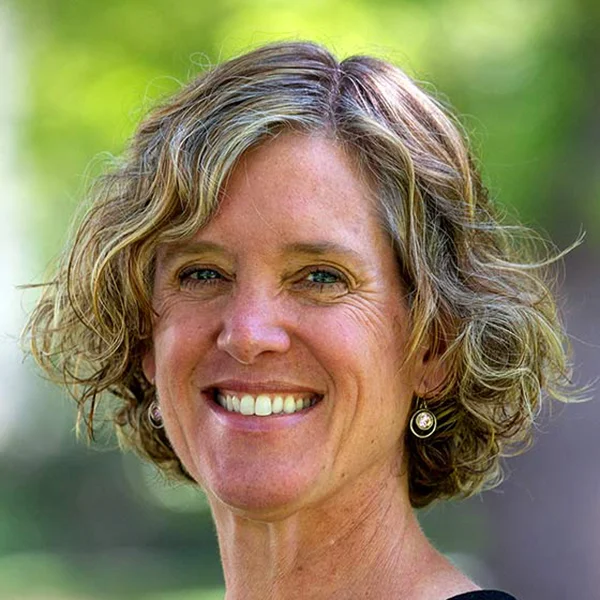
Dr. Norris began her career as a federal scientist with the US Fish and Wildlife Service (USFWS) in New Mexico, later becoming the Sacramento Field Supervisor. She then served as Deputy Secretary for Biodiversity and Habitat at the California Natural Resources Agency (CNRA), leading the 30x30 initiative to conserve 30% of California's lands by 2030 and the Cutting Green Tape initiative for ecological restoration. In 2023, she became the first female executive director of the Wildlife Conservation Board (WCB). Norris holds degrees from Cornell University, the University of Michigan, and the University of New Mexico.
Jesús Cruz López
President, Executive Committee of the Union of Communities and Ejidos for Conservation of the Central Valleys of Oaxaca
Jesús Cruz López
President, Executive Committee of the Union of Communities and Ejidos for Conservation of the Central Valleys of Oaxaca
Since 2019, Jesús Cruz López has been the communal properties representative of San Pablo Huitzo, an Indigenous community in Oaxaca. In December 2022, he began actively participating in a farming communities integration and cooperation process to better manage governmental resources and coordinate regional cross-community programs, with technical support from the National Commission of Protected Natural Areas (Conanp). These efforts succeeded in uniting the farming communities surrounding the Central Valleys of Oaxaca in their ancestral vocation of community conservation of forests and mountains. In December 2023, Cruz López became president of the Union of Communities and Ejidos for Conservation of the Central Valleys of Oaxaca, an organization that assembles 25 farming communities in favor of conservation of the region’s forests and water, along with beneficiaries of the Local Mechanisms to Pay for Environmental Services program (during FY 2024), with support from the National Forestry Commission (Conafor) and the Government of the state of Oaxaca. This program actively conserves 70,000 hectares. As such, it’s the country’s largest socially responsible conservation fund. More recently, in September 2024, Cruz López joined Conanp’s National Council for Protected Natural Areas.
2:05 pm-2:50 pm
Session 8: Expert Panel on the Private Sector’s Role in Addressing the Triple Planetary Crisis
This expert panel presentation will explore the actions being taken and the strategies and opportunities that exist for private sector entities to address the triple planetary crisis, particularly in the priority topics areas of EOS/GIS, Sustainable Transportation and Ecosystem Services. The experts will be asked to reflect on how they can work strategically with the CEC to deliver concrete actions that will benefit the region.
Executive Director, UN Global Compact Network Canada
Elizabeth is a tri-sector leader specializing in social impact and sustainability strategies that engage the public, business, and government. She has advanced initiatives in health, inclusion, affordable housing, women's and youth empowerment, the arts, and international development. Passionate about collaboration, Elizabeth creates value by uniting diverse sectors. As a consultant and leader, she has helped children find foster homes, facilitated dialogue on foreign aid, supported Indigenous peoples, and enabled new partnerships between international development organizations and businesses. Elizabeth holds degrees in International Development and nonprofit leadership and has received the Queen's Diamond Jubilee Medal. She lives in Toronto.
Director, International Financial Organizations, Nacional Financiera (NAFIN)
Iván Vicente Cornejo Villalva, who has a BA in Economics from the Metropolitan Autonomous University (UAM), certification as a project manager by the Inter-American Institute for Economic and Social Development (INDES), and completed post-graduate studies in Sustainable Development, Sustainable Finance and Risk Analysis, has wide experience in the financial sector, with small and medium-size enterprises (SMEs) and international cooperation. He specializes in linkages with international financial organizations for the implementation of development bank projects. At Nacional Financiera (NAFIN), in addition to having held different positions, he was in charge of obtaining the banking institution’s accreditation as an entity with direct access to the UN’s Green Climate Fund. Currently, as director of International Financial Organizations at NAFIN, he is responsible for recruitment strategies in capital markets, where he promotes the adoption of environmental, social and governance (ESG) criteria, in relation to bond issuance, as well as NAFIN’s own financial products.
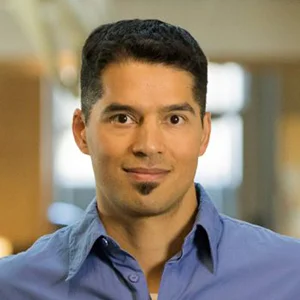
Alex is the Chief Financial Officer of Toroto, with a background in engineering and environmental studies. He brings 15 years of international experience in entrepreneurship, management, and consulting. Alex co-founded an e-mobility company, serving as its CEO for 8 years. He is an Endeavor Entrepreneur and was named Entrepreneur of the Year in Mexico in 2016 by Expansión magazine.
Andrew Lawson Carranco
Board Member, North American Strategy for Competitiveness (NASCO)
Andrew Lawson Carranco
Board Member, North American Strategy for Competitiveness (NASCO)
Andrew is a real estate developer based in Laredo, Texas, where he and his father, Chendo, manage over 2,500 acres of industrial, commercial, and residential property in South Texas. He leads the development of the South Webb Industrial Park, a 1,300-acre master-planned industrial hub focused on manufacturing, and The Mercy: Above the Border, Laredo’s first adaptive reuse, commercial, mixed-use property.
Andrew is deeply involved in community and regional advocacy. He serves on the executive committee of the North American Strategy for Competitiveness Organization (NASCO), where he works to strengthen regional collaboration. As the Legislative Affairs Chair for the Laredo Chamber of Commerce, he organizes the Chamber’s annual delegation trip to Washington, D.C., in partnership with the City of Laredo. From 2021 to 2023, Andrew served as president of the Boys and Girls Clubs of Laredo with its 20,000 members and 90 staff members.
Andrew earned a Bachelor’s degree in Classical & Medieval Studies from Bates College in Lewiston, Maine, and a Master’s in Political Philosophy from Texas A&M International University. In his free time, he enjoys smoking great cigars, traveling, and listening to classical music and jazz.
2:50 pm-3:30 pm
Session 9: Roundtables of Reflection
This segment will provide an opportunity for invited experts, NGOs, government representatives and the public-at-large, to reflect on the expert presentations delivered over the course of the entire forum and to discuss their views on the take-aways they are left with, the emerging issues they feel need to be tackled, and the opportunities that they see for CEC action going forward.
3:30 pm-3:45 pm
Movement Break
3:45 pm-4:15 pm
Reflections from the Workstreams
EO/GIS Tools and Climate Change Workstream Head: Orlando Cabrera-Rivera, CEC Head of Unit, Environmental Quality, CEC
Sustainable Transportation Workstream Head: Armando Yáñez Sandoval, CEC Head of Unit, Green Growth, CEC
Ecosystem Services / Sustainable Use and Management of Biodiversity Workstream Heas: Lucie Robidoux, CEC Head of Unit, Ecosystems, CEC
4:15 pm-4:30 pm
Open Dialogue with the JPAC Members
This segment will provide an opportunity for invited experts, NGOs, government representatives and the public-at-large, to share other examples of successful collaborations/alliances and to raise other issues they wish to share with JPAC.
An agricultural engineer with an MA and PhD in tropical agroecosystems from the College of Postgraduates, Esteban Escamilla Prado’s doctoral dissertation concerned the study of organic coffee quality in Mexico. Since 1987, he has been a research professor at the Eastern University Regional Center (CRUO) of the Autonomous University of Chapingo (UACh), in Huatusco, Veracruz. Formerly the director of CRUO, he is currently research director at the National Center for Coffee Research, Innovation and Technological Development (Cenacafé). Aside from his research and teaching responsibilities, he dedicates part of his time to training and outreach work, teaching courses and offering certificate programs on comprehensive sustainable coffee cultivation, organic agriculture, biodiversity, sustainable land use, and agroforestry. Having ample experience in coffee cultivation, his research includes a range of topics: plant genetic resources, genetic improvement, coffee growing systems and technologies, economic diversification, edible insects, and worm farming. He has directed and advised numerous undergraduate and postgraduate dissertations. He has also published numerous books, articles and manuals, as well as presented many papers in local, national and international events.
Throughout his professional career, Escamilla Prado has participated in diverse activities related to comprehensive sustainable coffee cultivation in Mexico and various coffee-producing countries in Central and South America, with a focus on training and advising small scale and Indigenous producer cooperatives on organic production, fair trade and quality control. As an organic coffee producer himself, he is a founding member of the “Catuai Amarillo” cooperative and the Federation of High Mountains Specialty Coffees (Incafesam), social enterprises that export organic coffee to the United States and Europe. Moreover, he is a member and current president of the Steering Committee of the Mexican Certification Authority for Ecological Products and Processes (Certimex). He is a former mayor of Chocamán, Veracruz, his place of residence. Since 2019, he has collaborated with the Sowing Life program of the Mexican government’s Ministry of Welfare as an agroforestry and sustainable coffee cultivation expert.
5:30 pm
Adjournment
Event accessibility
We strive to host inclusive, barrier-free events that enable all individuals to fully engage with CEC activities. As such, the JPAC Forum panels and presentations will be live-streamed and all broadcasts will be available in English, French and Spanish via simultaneous interpretation, with closed-caption services available.
To further this commitment, we are gathering feedback from our audience to enhance the accessibility of our activities. Please indicate your requirements to help us improve our events so that they meet your accessibility and inclusion needs. Your input will help us identify areas for improvement. Please send us an email at sgagnon@cec.org.