9:00 am-9:20 am
Room Viger
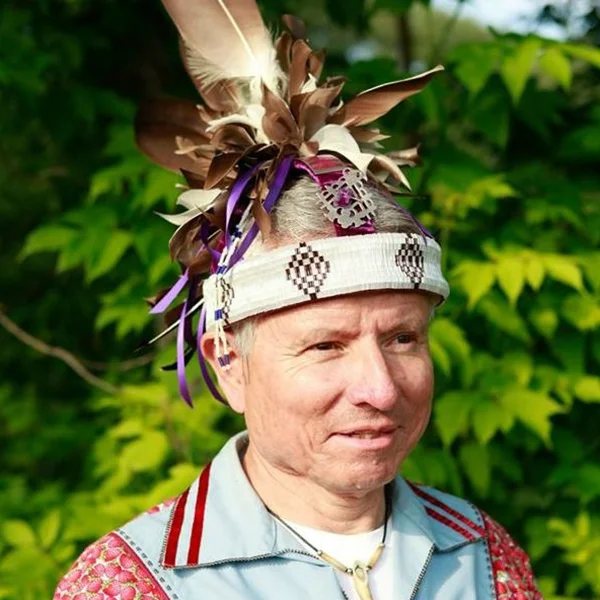
Traditional Welcoming Ceremony
Session 1. Regenerating Soils and Protecting Health: Breaking Free from Pesticides
While pesticides, chemical compounds that are used in agriculture to kill pests, including insects, rodents, fungi and unwanted plants (weeds), have played a role in increasing food production and minimizing short-term losses, their excessive use has resulted in soil degradation, loss of biodiversity, water pollution, pest resistance and considerable risks to both human and animal health. These negative impacts have fueled a growing movement toward regenerative and agroecological methods that reduce or eliminate reliance on pesticides while sustaining productivity. This session will highlight innovative and effective regenerative practices that minimize or avoid synthetic inputs, demonstrating that it is possible to nourish a growing population while restoring ecosystem health. By regenerating soils, promoting biodiversity and supporting rural livelihoods, these methods present a pathway to an agricultural system that is both productive and sustainable. The goal is to deliver practical guidance for scaling up food production systems that safeguard human health and the environment throughout North America.
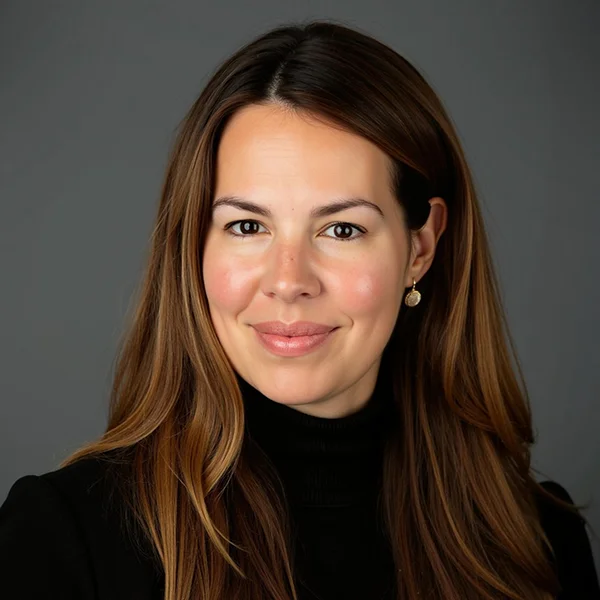
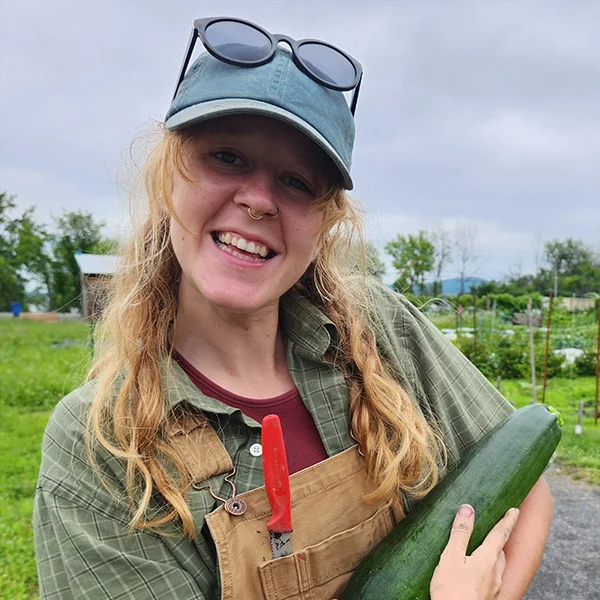
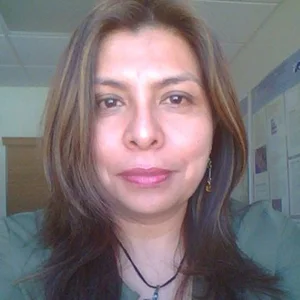
Laura Gómez Tovar
Researcher, Center for Interdisciplinary Research for Integral Rural Development (CIIDRI) – Department of Agroecology, Autonomous University of Chapingo
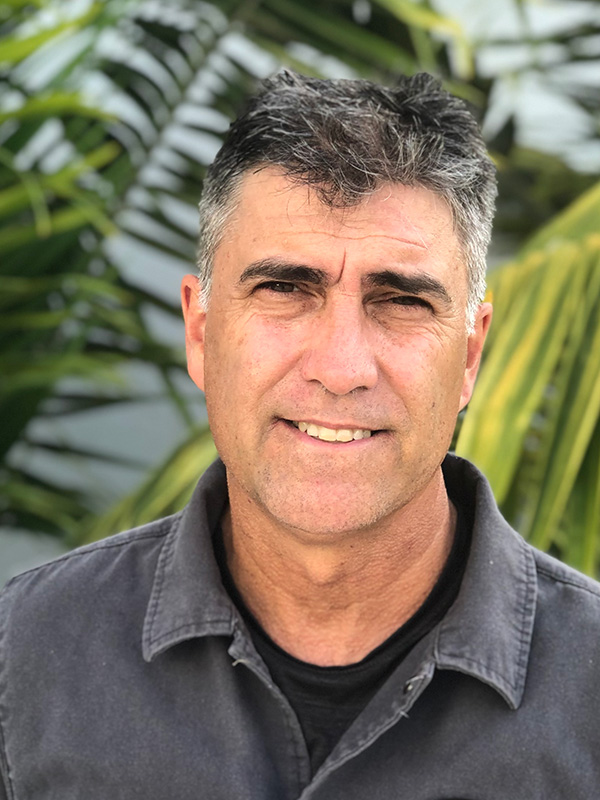
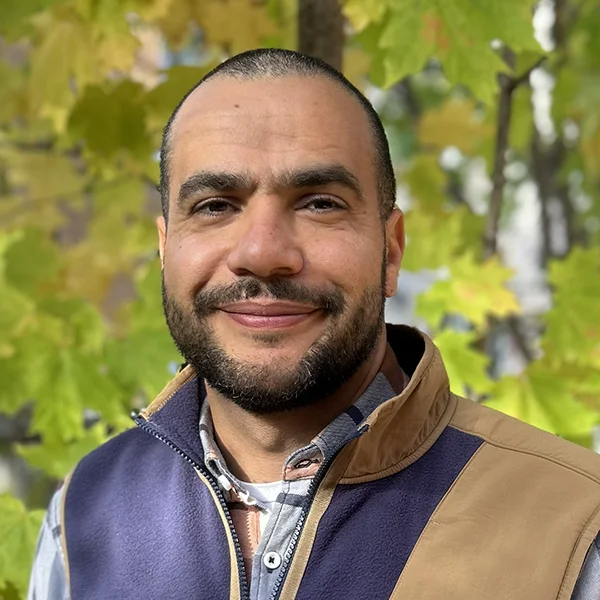
Brian Leahy
Owner of Brian R. Leahy Consulting, LLC and Former Director of the California Department of Pesticide Regulation (DPR)
Session 2. Forever Chemicals in Our Food and Water: Understanding the Risks and Acting Now
Per- and polyfluoroalkyl substances (PFAS), often referred to as “forever chemicals,” are a group of thousands of human-made compounds used as surfactants, lubricants and as repellents for dirt, water and grease in a wide variety of products. Highly resistant to natural degradation, PFAS persist in the environment for extended periods, accumulating in water, air, soil, wildlife and humans. Found in everyday products, such as non-stick cookware, food products and packaging, cosmetics and even toilet paper, they have been linked to harmful effects on both human health and the environment. This session will present the latest research on PFAS and other persistent chemicals, examining their health impacts, exposure pathways and contamination in soils, crops, livestock and drinking water. It will also explore emerging regulatory measures, corporate responsibility, safer product innovation and community-led monitoring. The discussion will center into actionable strategies and coordinated efforts to protect public health and reduce chemical exposure across North America.
Benoit Barbeau
Professor and Co-chair, Industrial Chair in Drinking Water, Polytechnique Montréal
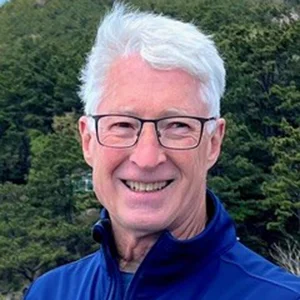
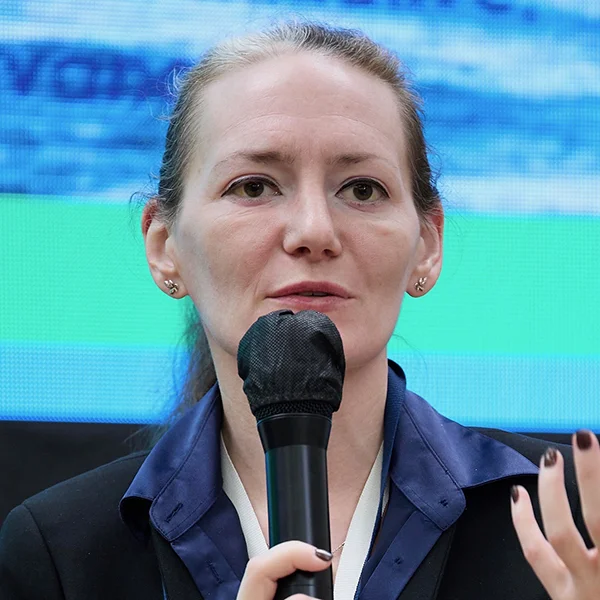
Meredith Williams
Principal at Advancing Impact, and former Director of California’s Department of Toxic Substances Control
Session 3. From Oceans to Our Bodies: Tackling the Microplastics Crisis
Microplastics, fragments of plastic between 1 nanometer and 5 millimeters wide, are pervasive across air, water, soil and food systems. They pose potential risks to both ecosystems and human health, including ingestion by marine life, contamination of drinking water, bioaccumulation and biomagnification in the food chain. This session will explore the urgent need to address microplastic pollution and highlight transformative solutions across textiles, packaging, industry and wastewater management. Discussions will focus on the sources and impacts of microplastics, innovations in filtration and circular materials and manufacturing design improvements. The session will also explore how aligning local solutions—from coastal and watershed restoration to community leadership by fishers, Indigenous Peoples and youth—with regional policy strategies and producer responsibility can foster a coordinated North American response to plastic pollution.
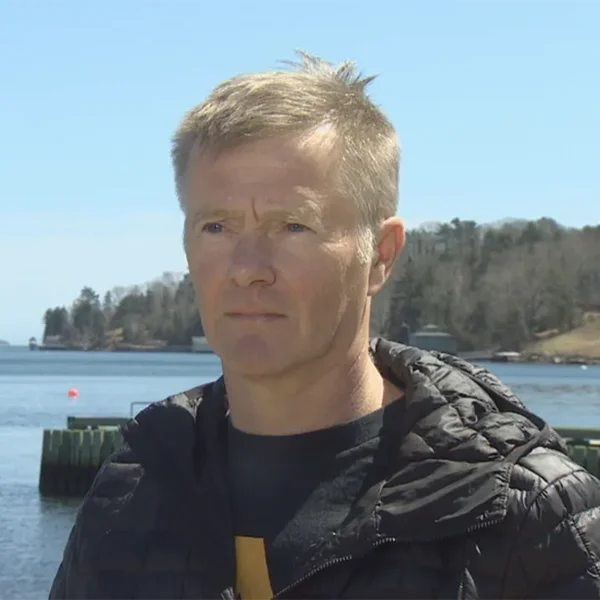
Tony Walker
Professor, School for Resource and Environmental Studies, Dalhousie University
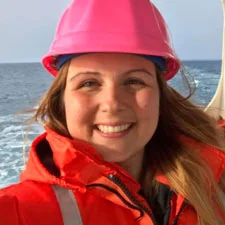
Nancy Ramírez Álvarez
Senior Researcher in Environmental and Water Sciences, Oceanographic Research Institute, Autonomous University of Baja California
Alexandra R. Harrington
International Union for Conservation of Nature (IUCN) World Commission on Environmental Law (WCEL) Agreement on Plastic Pollution Task Force
Session 4. Voices from North America: Multi-Actor Storytelling Circles and Dialogue
A dynamic space for participants to share experiences, perspectives, or initiatives related to the forum’s topic, engage with JPAC members, and collectively explore the diversity of stories and viewpoints.
Traditional Ecological Knowledge Expert Group (TEKEG) Intervention
Closing Traditional Ceremony
CEC Networking Event [in-person only]