Roots to Resilience
@ Syatt
Background
Northeast Ohio’s communities face intensifying climate impacts—from severe flooding and heat in Cleveland to water contamination and agricultural disruption in Appalachian counties. These conditions are layered atop long-standing environmental injustices, including legacy mining pollution, industrial runoff and lack of access to green space and clean water. Underserved urban and rural communities remain excluded from environmental decision-making and are often disconnected from climate adaptation knowledge. Roots to Resilience was created to address these intersecting challenges through intergenerational, place-based education. By connecting youth from Cleveland and Appalachian Ohio, the project fosters shared learning across landscapes, builds leadership skills and equips communities to respond to climate change through traditional and modern approaches. This work is urgent, intentional and rooted in justice.
Goals
Roots to Resilience equips youth in Northeast Ohio with the tools to understand and respond to environmental challenges through hands-on learning, regional collaboration and the integration of local knowledge.
Main activities
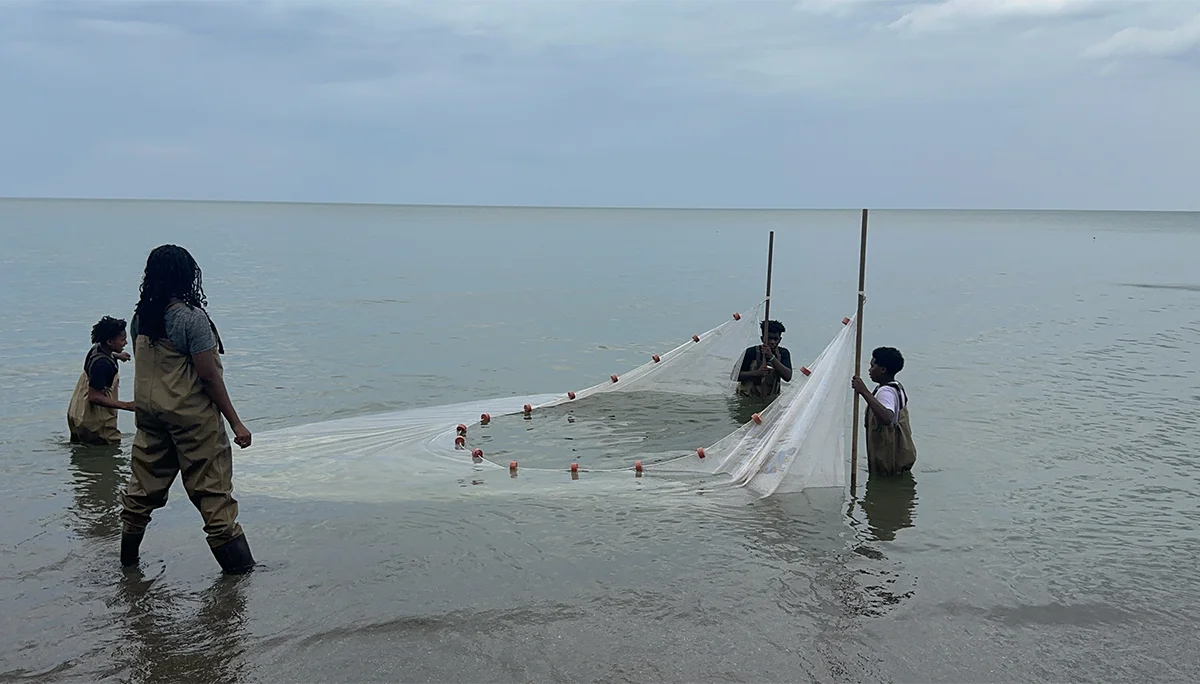
High school students from Cleveland and Appalachian Ohio will participate in immersive learning experiences. These include:
- Environmental monitoring and climate data collection.
- Storytelling and oral history sessions with community Elders.
- Technical training, career exposure and youth-led workshops.
- A final capstone presentation to share insights and community-based solutions.
Syatt leads the program in collaboration with Rural Action, Warrensville Heights City Schools and various environmental and education partners.
Expected outcomes
Students will deepen their understanding of climate impacts, strengthen problem-solving and communication skills and develop a sense of place-based responsibility. Project deliverables include climate data maps, digital portfolios and a public youth symposium. Communities benefit from increased environmental awareness, stronger intergenerational ties and a growing pipeline of emerging leaders prepared to support adaptation and restoration efforts. This model connects diverse geographies and perspectives, building lasting regional capacity.