
Addressing Ghost Gear in North America
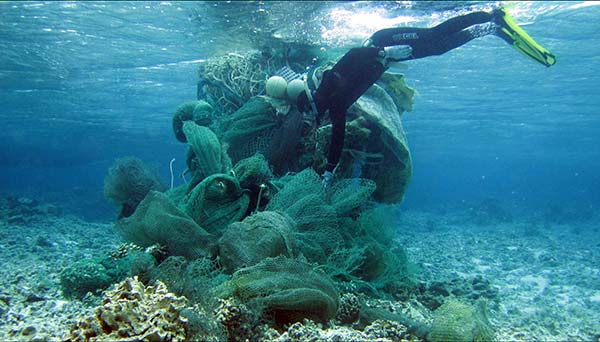
Ghost gear (abandoned, lost or discarded fishing gear - ALDFG) is a particularly harmful form of marine debris. The Global Ghost Gear Initiative (GGGI) is the largest cross-sectoral alliance dedicated to solving this issue, and includes Canada, Mexico, and the United States as government members. This project will work with the GGGI in engaging local communities to prevent, reduce and retrieve ghost gear, and in building knowledge that will advance responsible management of active and end-of-life fishing gear.
Issues
- Globally, at least 640,000 tonnes of abandoned, lost or discarded fishing gear (ALDFG) enter the ocean every year, harming marine life, reducing fish stocks, and impacting livelihoods.
- Engaging and building relationships with harvesters, the fishing industry and decision makers are essential in finding solutions to ghost gear.
- New knowledge is needed to inform ghost gear prevention and reduction solutions, and end-of-life gear management.
Aim
This initiative aims to prevent and reduce ghost gear in Canada, Mexico and the United States by developing tools to address ALDFG best practices in fisheries, building fishing industry understanding and collaboration, identifying knowledge and data gaps, and supporting responsible management of end-of-life fishing gear in coastal fishing communities.
Deliverables
- Capacity-building in communities to support ghost gear prevention and retrieval
- Guidelines, best practices, protocols, lessons learned to support ghost gear reduction
- Knowledge on efficacy of gear location technology
- Recommendations on end-of-life management options
Principal Results
This project contributed significantly to the reduction of ghost gear in North America and benefited the fishers who rely on costly fishing gear for their livelihoods. They now have new knowledge, skills and technology to avoid gear loss. Marine life and habitats are damaged by ghost gear and a thriving coastal environment benefits both communities and ecosystems. Durable capacity was built at the local and national levels for managing ghost gear in Mexico — including training fishers on best practices for preventing ghost gear, certifying divers to remove ghost gear from the water and demonstrating the successful use of tracking technologies for reducing fishing gear loss. Fishers from 14 fishing cooperatives (including over 1,200 fishers in Baja California Sur) have now incorporated gear-tracking buoys in their routine; and based on their success, additional communities have been identified to pilot new initiatives for the future.
During the project life, more than half a ton of harmful ghost gear was removed from Mexico’s marine environment, thereby ending years of detrimental impacts. Fishers have also been trained in how to responsibly dispose of end-of-life (EOL) gear, so that collection of EOL gear is now done more efficiently, with lower-emissions, and other improvements are under further consideration. Recycling solutions for the kinds of fishing nets widely used in Mexico’s commercial and artisanal fisheries were advanced. Government agencies and others working to address the ghost gear issue in North America can now benefit from the resources and data produced in this project to guide further action.