
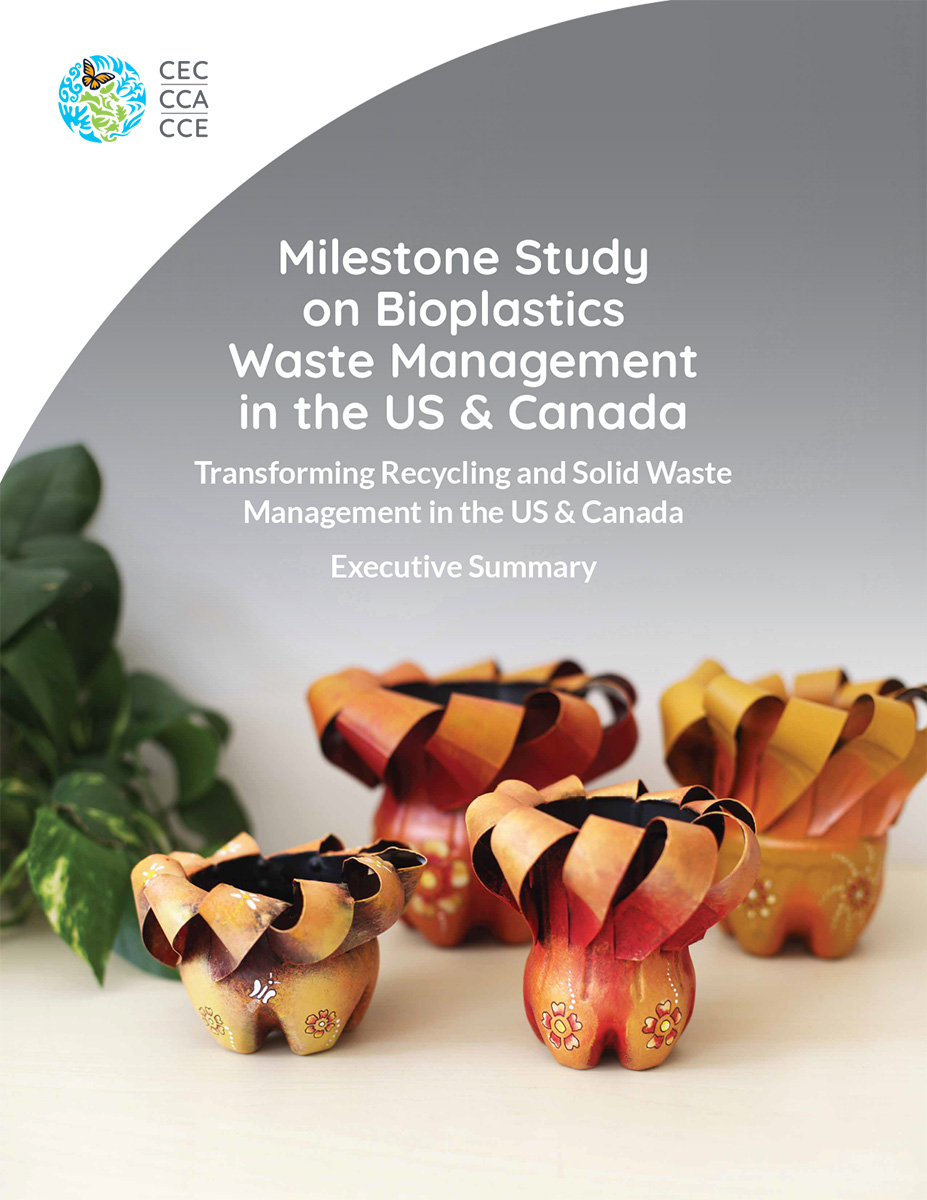
Milestone Study on Bioplastics Waste Management in the US & Canada — Executive Summary
Project publication
December 17, 2024
The biodiversity, pollution and climate change crises demonstrate that our conventional models of living, producing and consuming are placing an unsustainable strain on our planet. Traditional linear economies, characterized by a 'take-make-dispose' model, result in excessive waste generation, depletion of natural resources and increased greenhouse gas emissions. These approaches not only jeopardize environmental health but also threaten ecosystem stability and the well-being of present and future generations.
This area of the CEC’s work focuses on the transformation of the system as a whole—how our economies are designed and function. It addresses topics that advance the adoption of Circular Economy principles and promotes systemic change. By rethinking and redesigning economic systems, we can minimize waste and pollution, optimize resource efficiency and create regenerative systems that support long-term environmental health. Systemic change also enables the integration of sustainable practices across critical sectors including water management, food systems, waste management and green infrastructure, thereby advancing innovation and fostering resilient, sustainable cities for future generations.

Project publication
December 17, 2024
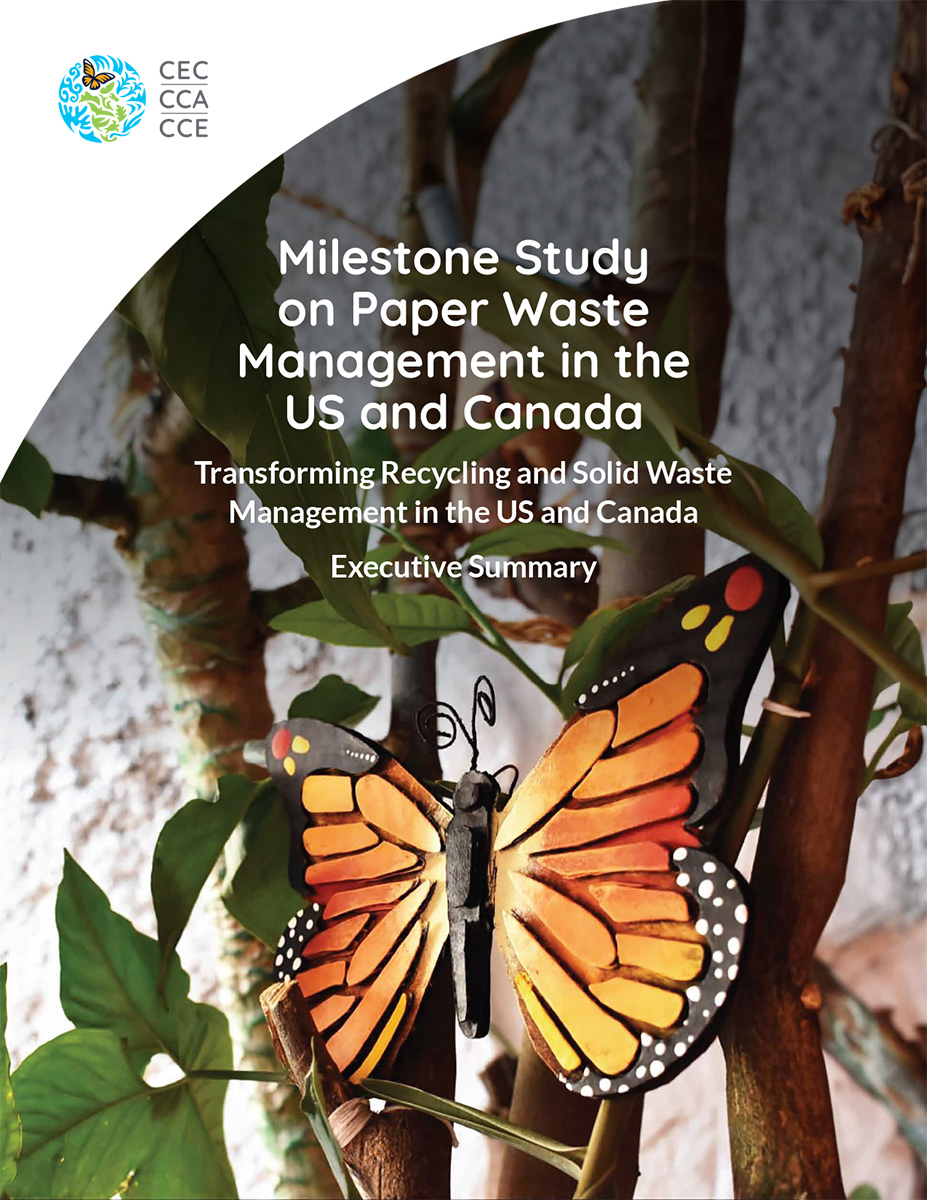
Project publication
December 17, 2024
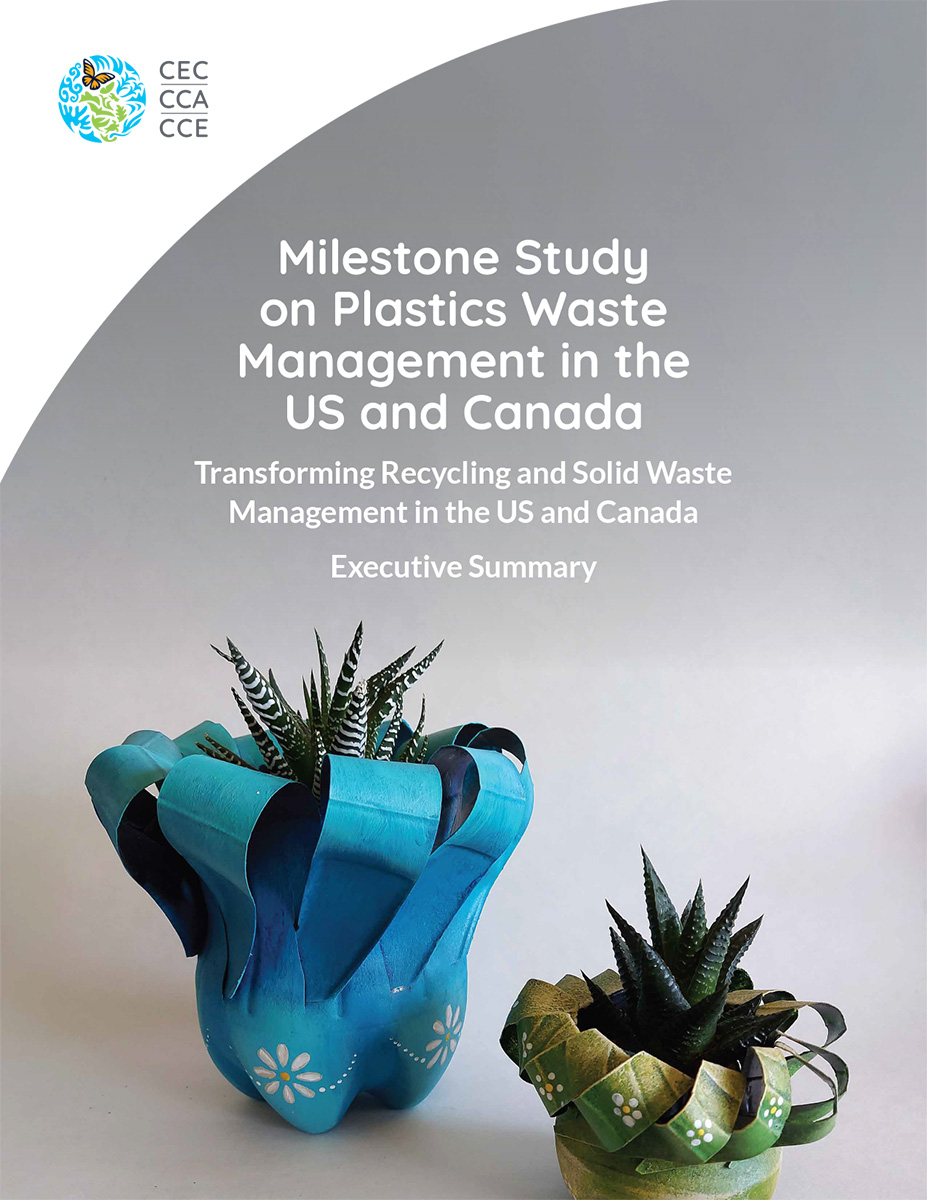
Project publication
December 17, 2024
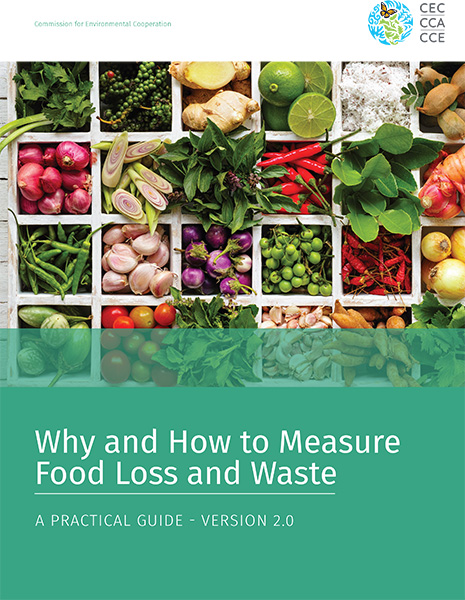
Project publication
March 12, 2021
Project publication
March 1, 2019
Active

Active