

Tijuana Wastewater Management: CEC Secretariat Recommends the Preparation of a Factual Record Pursuant to USMCA/CUSMA Chapter 24
Tiohtià:ke (Montreal), 24 November 2026— On 9 November, the Secretariat of the Commission for Environmental Cooperation (CEC) notified the Council and the USMCA/CUSMA Environment Committee that it recommends the preparation of a factual record to analyze whether Mexico is effectively enforcing its environmental laws with regard to the management and discharge of wastewater in Tijuana, Baja California.
The Secretariat’s recommendation covers ten areas, including the wastewater discharge permits that govern the Tijuana sewerage system, the compliance program implemented by the Tijuana State Public Services Commission (CESPT), the inspection and monitoring by federal authorities, the use of safety measures and sanctions, the notification of spills, the referral of possible offenses to the Public Prosecutor (Ministerio Público), and the constitutional right to a healthy environment.
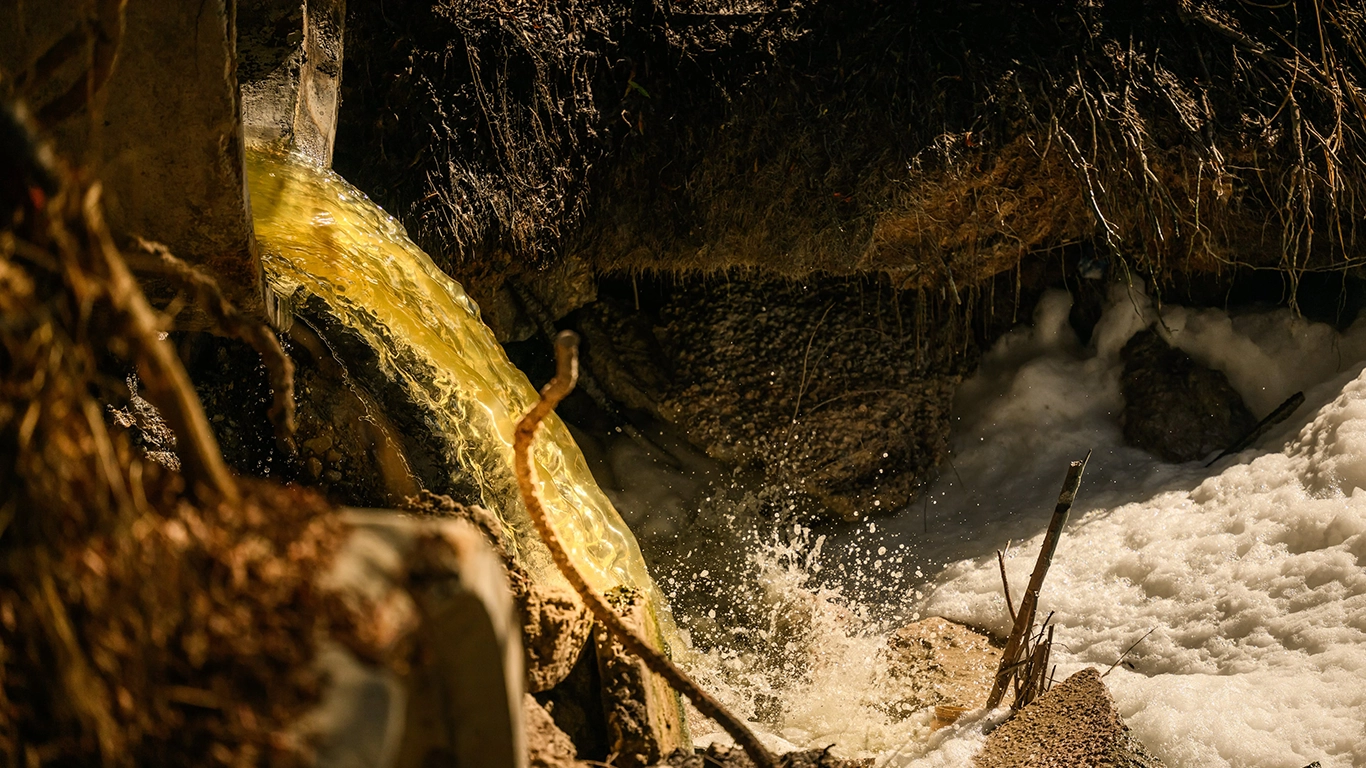
The submission SEM-26-002 (Tijuana Wastewater Management), filed on 26 January 2026 by San Diego Coastkeeper ("the Submitter"), asserts that Mexico is failing to effectively enforce its environmental laws with respect to wastewater management, public health, transboundary notification procedures and integrated water resource management in connection with the discharge of wastewater into the Tijuana River. The Submitter maintains that leaks, spills and constant discharges of untreated wastewater, linked to widespread failures in sewerage and treatment infrastructure, affect ecosystems and coastal areas on both sides of the border, and it refers to the presence of pathogens, toxic substances and antibiotic-resistant bacteria.
In its response Mexico asks the Secretariat to terminate its review of the submission. The Party raises objections to admissibility and characterizes the SEM process as a mechanism tied to trade and investment. Mexico maintains that it has effectively enforced its environmental law on wastewater in the Tijuana region. The Party also states that the Submitter is seeking a more favorable outcome than the one it obtained in proceedings brought in the United States and emphasizes that the United States must meet its own commitments.
Having reviewed the response, the Secretariat concludes that central open questions remain regarding the alleged failure to effectively enforce environmental law in connection with wastewater management in Tijuana. The Secretariat found that the response contains no wastewater quality monitoring reports, administrative records, inspection reports or other documents capable of supporting Mexico's assertions.
The recommendation concerns the effective enforcement of provisions of Article 4 of the Political Constitution of the United Mexican States, provisions of the General Act on Ecological Balance and Environmental Protection (Ley General del Equilibrio Ecológico y la Protección al Ambiente, LGEEPA), the National Waters Act (Ley de Aguas Nacionales, LAN), the Federal Criminal Code (Código Penal Federal), and NOM-001-Semarnat-2021.
The CEC Council members will now consider whether to instruct the Secretariat to prepare a factual record. Under USMCA/CUSMA Article 24.28(2), the Secretariat shall prepare a factual record if at least two Council members instruct it to do so. In preparing a factual record, the Secretariat would consider any information furnished by Mexico and could consider relevant technical, scientific or other information that is publicly available, submitted by interested persons, the Joint Public Advisory Committee, or developed by independent experts.
For more detailed information, please visit the web page for submission SEM-26-002 (Tijuana Wastewater Management) in the CEC's Registry of Submissions.