Roundtable: Strengthening Indigenous Trade in North America: Pathways to Inclusion, Revitalization and Recognition
Mexico City
Mexico
July 23, 2025
Private
The roundtable Strengthening Indigenous Trade in North America: Pathways to Inclusion, Revitalization and Recognition, co-hosted by the Joint Public Advisory Committee (JPAC) and Traditional Ecological Knowledge Expert Group (TEKEG) of the Commission for Environmental Cooperation (CEC), convened Indigenous experts, researchers and conservation practitioners from the private and public sectors. Participants explored practical and actionable strategies to support sustainable Indigenous trade and economic leadership across North America. The discussion focused on three key pathways:
- Promoting the inclusion of Indigenous Peoples to fully integrate within contemporary North American trade systems;
- Revitalizing traditional, pre-colonial, Indigenous trade networks and modes of exchange among Indigenous Peoples across the region; and
- Enhancing recognition and market opportunities for Indigenous-made goods and services.
This latest gathering built on the discussions from a previous roundtable, Sustainable Trade in North America: Indigenous Perspectives, co-hosted by the CEC and the McGill Bieler School of Environment (BSE) on 23–24 March 2025 in Montreal, Canada. The previous discussion highlighted how Indigenous trade systems, grounded in relational worldviews and Traditional Ecological Knowledge (TEK), offer vital insights and innovative solutions to address today’s social, economic and environmental challenges. Case studies of successful Indigenous-owned businesses revealed both opportunities and barriers, underscoring the need for supportive policies and stronger trade networks based on Indigenous values. The roundtable emphasized revitalizing traditional trade practices and integrating Indigenous perspectives into contemporary trade frameworks.
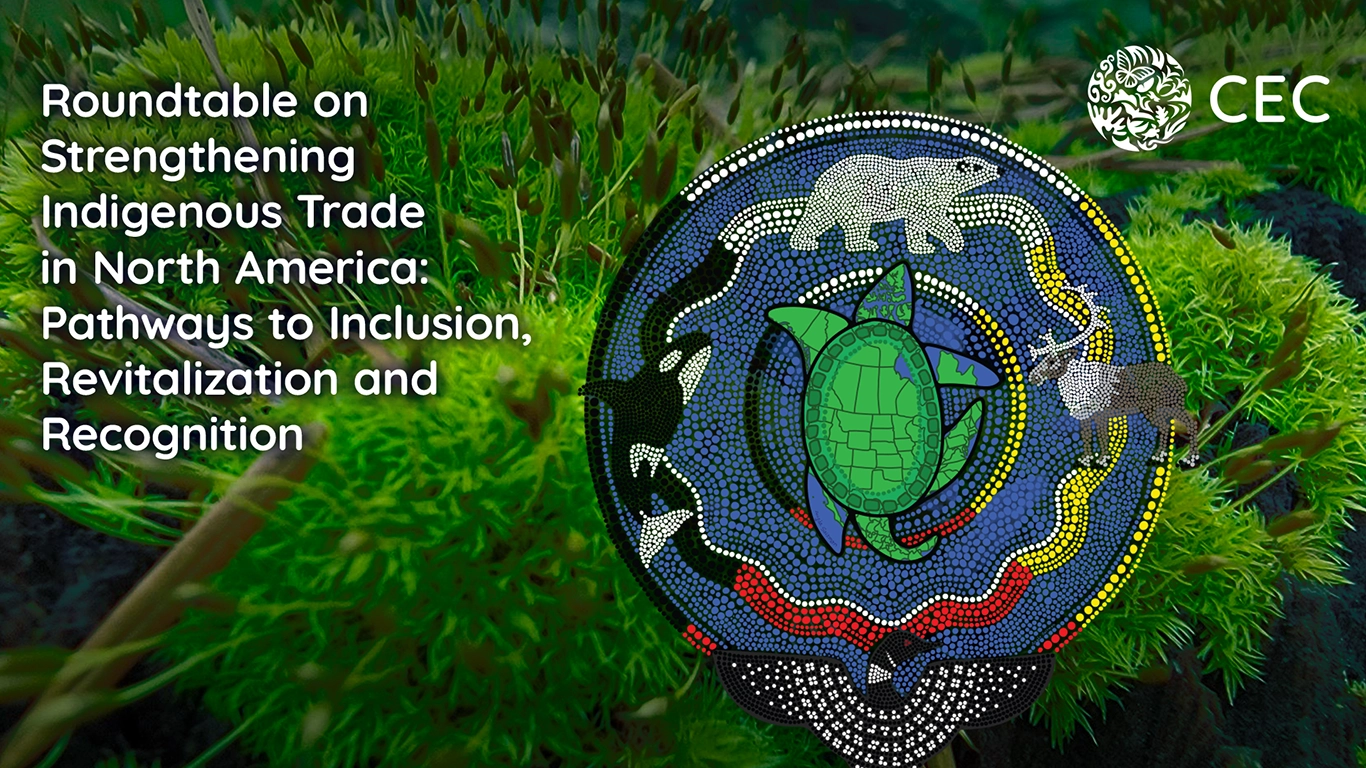
Image by Angie Saltman (Red River Métis) representing the essence of the Indigenous trade on Turtle Island (North America).
Agenda
Time Zone: Central Standard Time (CST)
1:00 pm-1:10 pm
Welcoming Ceremony
1:10 pm-1:25 pm
Opening Remarks
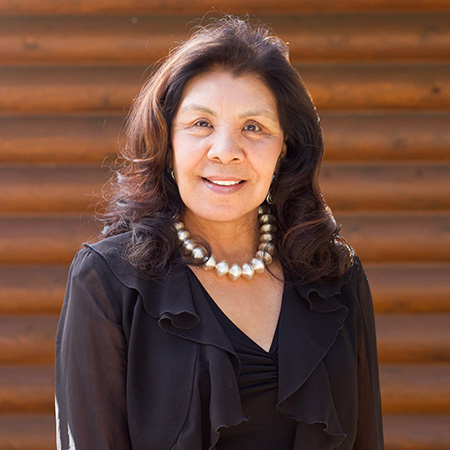
Octaviana V. Trujillo
JPAC Chair
Octaviana V. Trujillo
JPAC Chair
Octaviana V. Trujillo (Yaqui), Ph.D., is the 2023 chair of the CEC’s Joint Public Advisory Committee (JPAC), having been first appointed as a member of JPAC by US President Barack Obama in 2015. She is founding Chair and Professor Emerita in the Department of Applied Indigenous Studies at Northern Arizona University and the former chairwoman of the Pascua Yaqui Tribe of Arizona. She has spent her career advocating for the rights of Indigenous Peoples and developing educational courses, initiatives, and programs to support Tribal Nation Building and Indigenous communities, especially with regard to sustaining Indigenous languages, cultures and lifeways, and working with Indigenous youth.
She is a current Soros Equality Fellow and the 2021 American Educational Research Association, Indigenous Peoples of the Americas Research awardee for outstanding scholarship. She is also an advisory board member to Alianza Indígena Sin Fronteras, whose mission is to affirm the rights of Indigenous Peoples, including their right to self-determination, their collective human and civil rights, the rights of sovereignty and the protection of sacred sites, and their right to free and unrestricted movement across international borders. Trujillo also served as an active national member of the American Friends Service Committee and Farmworker Justice, working to foster community-based resources for promoting social justice.
Her extensive international experience as researcher, mediator, and advisor on the topics of human and Indigenous rights includes participation in the UN Permanent Forum on Indigenous Issues and serving on the EPA Governmental Advisory Committee, which helps to shape US policies that are intended to improve environmental and health conditions in Canada, Mexico, and the United States, and the Global Diversity Foundation, which promotes agricultural, biological, and cultural diversity around the world through research, training and social action.
Kathy Hodgson-Smith
TEKEG Facilitator
Kathy Hodgson-Smith
TEKEG Facilitator
Kathy L. Hodgson-Smith is a Saskatoon lawyer who practices criminal and Aboriginal law, as well as on behalf of the Métis Legal Research Education Foundation. She has litigated in all levels of court including the Provincial Court and Court of Queen’s Bench in Saskatchewan, the Courts of Appeal in Saskatchewan and Alberta, the Federal Court of Appeal, and as co-counsel at the Supreme Court of Canada.
She has worked on various national policy initiatives for the Métis National Council (MNC), including the Aboriginal Human Resources Development Agreement Strategy, Canada-Aboriginal Peoples Roundtables, the Kelowna Accord, and Post-Powley. She has also given evidence at the Canadian Aboriginal Affairs Standing Committee on the effects of McIvor decision on the Métis. She has researched and presented on Métis Aboriginal rights law and traditional knowledge at local, provincial, national, and international forums and conducted research for the Royal Commission on Aboriginal Peoples, the Canadian Education Association and the Canada Council on Learning and conducts traditional land-use studies for the Métis.
Internationally, she also represents the MNC on the United Nations World Intellectual Property Organization (WIPO) Committee on the Protection of Indigenous Traditional Knowledge and Genetic Resources, and on the Canadian Delegation to the Convention on Biological Diversity.
She has chaired a number of committees, including the MNC National Research Strategy and Urban Aboriginal Strategy committee, National Environment Committee, in addition to the Canadian Standards Association Technical Committee, which established a national standard for the operation of Mètis Nation Registries.
1:25 pm-1:35 pm
Welcoming Remarks
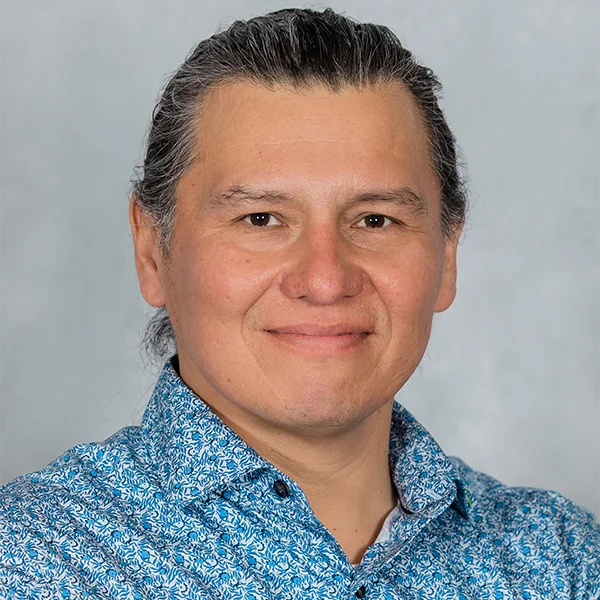
Kakwiranó:ron Cook
Officer, Indigenous Affairs
Kakwiranó:ron Cook
Officer, Indigenous Affairs
Kakwiranó:ron Cook belongs to the Akwesasne Kanien'kehá:ka and Oglala Lakota. He holds a Bachelor of Arts in Communications from Hawaii Pacific University in Honolulu and a Master of Business Administration from McGill University and HEC Montréal. Previously, Kakwiranó:ron worked as Senior Advisor on Indigenous Community and Relations at Sobeys Inc. and as Indigenous Outreach Administrator for McGill University. A life-long ambassador for Indigenous ways of learning and knowing, he brings firsthand expertise on building up awareness, appreciation and celebration of Indigeneity, as well as to our responsibilities to the lands, waters and each other.
LinkedIn: Kakwiranoron Cook
1:35 pm-1:50 pm
Conclusions from the Previous Roundtable on Sustainable Trade in North America: Indigenous Perspectives
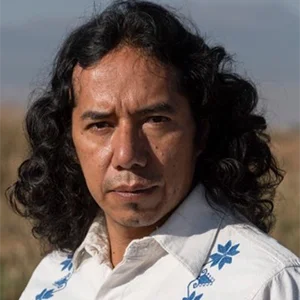
Mindahi Bastida
Founder and Convenor, The Earth Elders
Mindahi Bastida
Founder and Convenor, The Earth Elders
Mindahi Crescencio Bastida Muñoz, Ph.D., was born in San Pedro Tultepec, Lerma, Mexico. He is part of the Otomi-Toltec Peoples and a former JPAC-CEC member. Mindahi is a traditional authority of the Grand Council of the Eagle and the Condor. His mission is to ensure that the Earth Mandates are implemented in 52 major bioregions in the world. The Earth Mandates were received in a ceremony hosted by the Kogi, Arwak and Kankuamo in Sacred Sierra Nevada de Santa Marta in May 2013.
He is the General Coordinator of the Otomi-Toltec Regional Council in Mexico and caretaker of the philosophy and traditions of the Otomi-Toltec peoples. He has been an Otomi-Toltec Ceremonial Officer since 1988 and, since 2012, has been a consultant to UNESCO on Sacred Sites and Biocultural protection. He has served as the Director of the Original Nations Program of the Fountain (2020–2023), the Director of the Original Caretakers Program at the Center for Earth Ethics, Union Theological Seminary in the City of New York (2017–2020), and as the Director of Sustainable Development Division, Intercultural University of Mexico State (2002–2012).
His two most recent books are Ancestors. Divine Remembrance of Lineage, Relations and Sacred Sites (Translated in four languages and available as Audiobook) and Rooted in Ethics. He has written extensively on the rights of Indigenous Peoples, Sacred Sites, intercultural education, collective intellectual property rights and associated traditional knowledge, among other topics. He was also chief editor of a book series on Culture, Gastronomy, and Biodiversity of the Wetlands of his original homeland in the highlands of Mexico.
He is an international speaker, having been invited to over fifty countries and to every continent. Currently there are two films being produced that focus on his message and legacy. Mihandi is a member of the Advisory Group, Yale Forum on Religion and Ecology, the Advisory Council of Kiss the Ground, the Executive Committee of the Alliance Guardians of Mother Nature and a Former Member of the board of directors of The Fountain.
1:50 pm-2:50 pm
Session 1. Fostering Indigenous Inclusion in the North American Trade System
Indigenous Peoples have sustained rich, interconnected trade systems across North America for millennia. Today, however, they face structural barriers to meaningful participation in contemporary trade systems. This session will explore how to foster inclusive trade that upholds Indigenous rights, supports Indigenous economic self-determination, and aligns with Traditional Ecological Knowledge (TEK). Participants will examine how existing frameworks—such as the Canada–United States–Mexico Agreement (CUSMA)—can be leveraged to promote and further integrate Indigenous trade. The discussion will focus on developing model trade agreements, legal and policy advocacy tools, and other enabling mechanisms, including emerging principles such as the Indigenous General Exception, to expand access to domestic and global markets.
3:00 pm-4:00 pm
Session 2. Revitalizing Traditional Indigenous Trade Networks for Sustainable Futures
Long before modern borders, Indigenous Nations across North America sustained vibrant trade routes that supported cultural exchange, economic resilience, and ecological balance. These networks were not only about goods—they embodied knowledge-sharing, diplomacy, and interdependence with the land. Circular economies for Indigenous Peoples, as well as sustainable Indigenous economies, require deeper guidance and footing within the trade system. This session will explore how restoring and adapting these traditional trade systems can offer alternative models that prioritize cultural integrity, environmental care, and community well-being for more just, sustainable economies. Participants will discuss how to reconnect and re-establish trade routes across the region and explore collaborative approaches.
4:00 pm-5:00 pm
Session 3. Building Trust and Recognition for Indigenous-Made Goods and Services
Building recognition and market trust in Indigenous-made and Indigenous-owned products is essential to expanding Indigenous trade. This session will explore ways to clearly and respectfully convey the origin, cultural significance, and sustainable values embedded in these goods and services. Participants will discuss inclusive and culturally grounded approaches—such as certification, labeling, and storytelling—that can promote greater recognition, raise consumer awareness, strengthen trade networks, and foster deeper respect for Indigenous economies and worldviews.
5:00 pm-5:20 pm
Next Steps
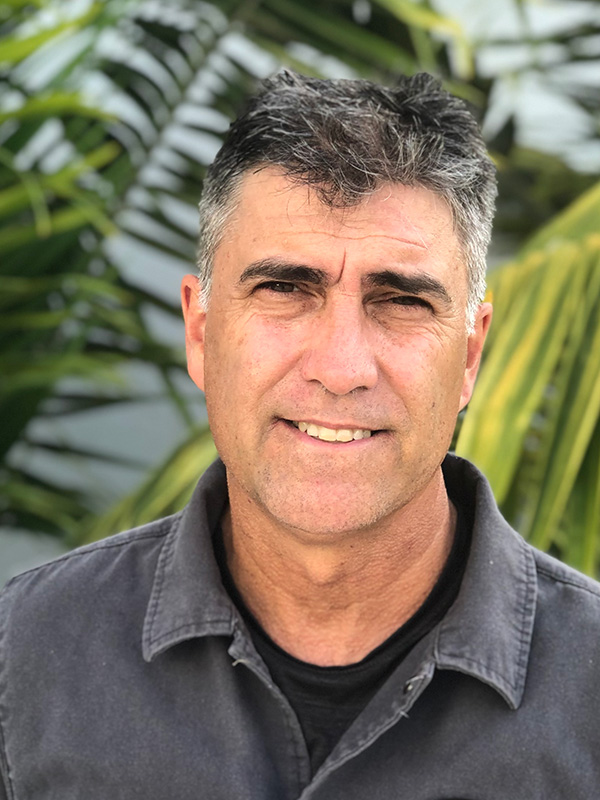
Jorge Daniel Taillant
CEC Executive Director
Jorge Daniel Taillant
CEC Executive Director
Jorge Daniel Taillant serves as the CEC’s Executive Director since August of 2022.
He is a life-long global advocate for human rights and environmental protection. His career spans several decades, working with international development agencies, as an advisor to governments, leading innovative civil society organizations and networks, and with disadvantaged communities to tackle some of the world’s most pressing environmental challenges.
He has spear-headed incisive global initiatives to link human rights and environmental advocacy, pushing for more effective public policies, stronger legislation and greater corporate accountability and respect for human rights and environmental sustainability.
During the past decade, he has turned his focus to tackling the triple planetary crisis of climate change, pollution and biodiversity loss, advocating for immediate actions to aggressively phase out the most intense climate pollutants, such as methane, black carbon, hydrofluorocarbons (HFCs), and tropospheric ozone (O3), while promoting inclusive, equitable and resilient adaptation for the most climate-vulnerable and disadvantaged communities.
5:20 pm-5:30 pm
Closing Traditional Ceremony
5:30 pm