Community Participation in the Development of Climate Change Resilience Strategies for Coastal Areas
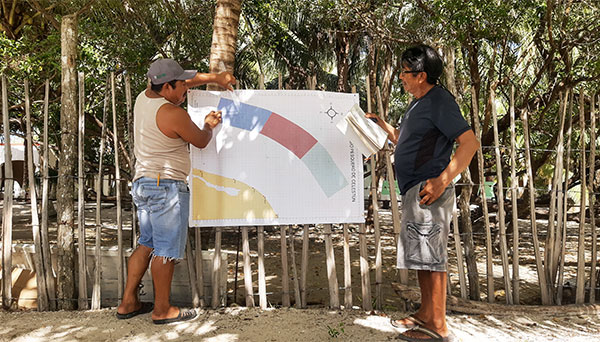
©Paisajes y Personas Resilientes, A.C.
Background
As a coastal state subject to hurricanes, Veracruz is particularly vulnerable to climate change. The community of Las Barrancas, which is located on a narrow strip of sand between the sea and a mangrove forest, is economically dependent on the fishing cooperatives of men and women, who operate in the Veracruzan Reef System National Park. The project proposes to transfer knowledge and create skills in the local population that will help them protect the mangrove ecosystem, recover ecosystemic services, and reduce their vulnerability to climate change. At the same time, the project proposes to help beneficiaries acquire tools to address such water-related issues as the loss of freshwater bodies, well water salinization, and increasing the population’s access to freshwater. Likewise, the project will endeavor to increase incomes by promoting better fishing practices and ecotourism. The overall goal will be to ensure sustainable livelihoods over the long term.
Goals
A community that is organized and trained to confront climate change, with solutions to issues related to mangrove conservation, access to freshwater and best fishing practices: solutions which, moreover, result in higher incomes from fishing and ecotourism.
Main activities
- Training and awareness workshops on:
- Climate change adaptation and mitigation
- Ecosystems and ecosystemic services
- Erosion issues
- Participatory videography
- Best fishing practices
- Environmental education for children on the ecosystems in their communities.
- Assessment of real water resources availability and water quality in the community.
- Mangrove channel clean-up operations.
- Exchange of experiences with fishing cooperatives which have been successful in managing a fish refuge.
- Development of a participatory geographical information system for identifying fish refuge zones.
- Formation of an ecotourism working group.
- Construction of a raised platform for bird watching and/or food services.
Outcomes
- Evaluation of the area’s ecosystems.
- Evaluation of the area’s water availability and water quality.
- Identification of alternative sources of water.
- Economic diversification.
- Assessment of vulnerability to beach loss and possible solutions for reducing this risk.