Join the Youth Movement to Prevent Food Waste, Protect Our Environment and Help Save the Planet
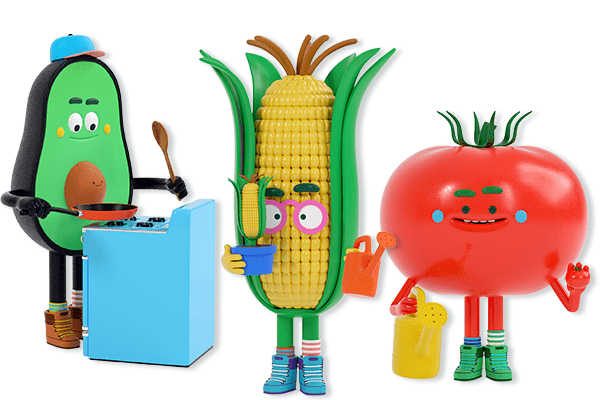
Montreal, 11 April 2019—Youth can make a positive difference to prevent food waste, from small initiatives at home to more ambitious efforts that involve the whole community, by using the Commission for Environmental Cooperation’s (CEC) new Food Matters Action Kit. Preventing food waste is one of the easiest ways we can all protect our environment every day, fight climate change, and help save our planet. Download the Food Matters Action Kit in English, French, or Spanish, at www.cec.org/FoodMattersActionKit.
“About one-third of all food produced for people worldwide goes to waste. Youth can lead the way in preventing all this waste by making small changes to everyday habits,” says David Donaldson, Head of Unit – Green Growth, at the CEC.
Register your youth organization and use the #FoodMattersActionKit to organize activities to reduce food waste. There are over 70 activities, including everything from food waste audits to making compost with the help of worms.
Gabriela Sanchez, who leads the Food Loss and Food Waste project at the CEC, reminds us that, “preventing food waste is good for the environment, the economy, and for the family budget.”
Activities in the Food Matters Action Kit are designed for youth across North America and are arranged in two groups: one for kids, ages 5–13, and another for youth, ages 14–25. Using this toolkit will help youth understand what’s at stake and all the related impacts of wasting food.
The toolkit was developed with the active support of 10 youth-based community associations, academic and educational institutions, the charitable sector, and Indigenous youth groups.
We challenge youth across North America to use the new CEC Food Matters Action Kit to spark their imagination and take action. The Food Matters Action Kit will help youth discover dozens of ways they can prevent food waste in their homes, schools, and communities.
Here are 3 ways the Food Matters Action Kit fosters change:
- Knowledge is Power: It teaches the impact of food waste on our planet.
- Shift Behavior: It shows youth how to prevent food waste by changing their attitudes about food and by developing new habits and skills.
- Spread the Word: It allows youth to encourage food waste action and share tips at home, at school, and in their community, in order to help address the issue together.
Kids all over North America are making a difference and so can you. Join the youth movement at www.cec.org/FoodMattersActionKit and join the conversation: #FoodMattersActionKit.
FACTS AND FIGURES
- Throwing away food is really a waste of all the resources that have gone into producing it.
- By valuing food, we will become more careful about how we shop, eat, and compost.
- The food that is wasted often ends up in a landfill where it decomposes and produces methane (a greenhouse gas 25 times more potent than carbon dioxide for its impact on climate change).
- Youth can help reduce the 168 million tonnes of food that is lost or wasted each year in North America simply by changing shopping, eating, storing and wasting habits.
- In North America we would fill 13 football stadiums every year with all the food that we waste—this could have fed 260 million people.
- Every year across North America we use the equivalent of 7 million Olympic-sized swimming pools of water in growing food that never gets eaten, and the energy we use to grow food we throw away could have powered 274 million homes.
This video aims to inspire youth across North America to reduce food waste and help save our planet: