In the Spotlight
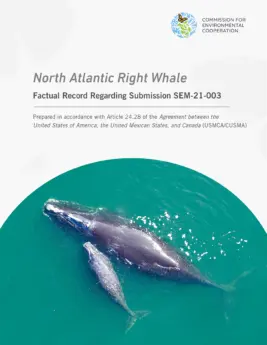
CEC Publishes Factual Record on the Effective Enforcement of Environmental Law Regarding the North Atlantic Right Whale Submission
Tiohtià:ke (Montreal), 6 January 2026—On 19 December 2025, the Secretariat of the Commission for Environmental Cooperation (CEC) published the factual record regarding submission SEM-21-003 (North Atlantic right whale) filed by Oceana (“Submitter”), who asserted that the United States is failing to effectively enforce its environmental laws to protect the North Atlantic right whale (Eubalaena glacialis) from collisions with ships, known as “vessel strikes,” and from entanglement in commercial fishing gear.
Topics
Climate Change
Supporting emissions reduction and helping communities adapt to extreme weather events
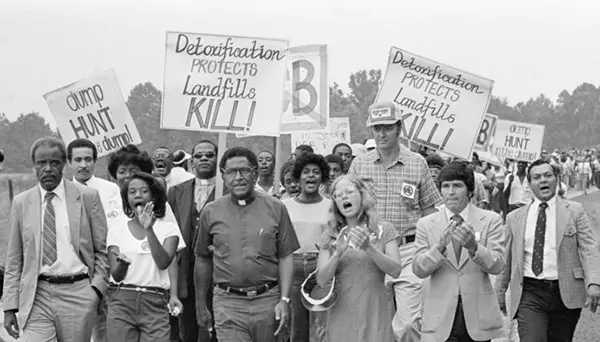
Environmental Justice
The pursuit of environmental justice (EJ) aims to address historical inequities, marginalization and discrimination in how environmental benefits and burdens are enjoyed or suffered by certain communities.
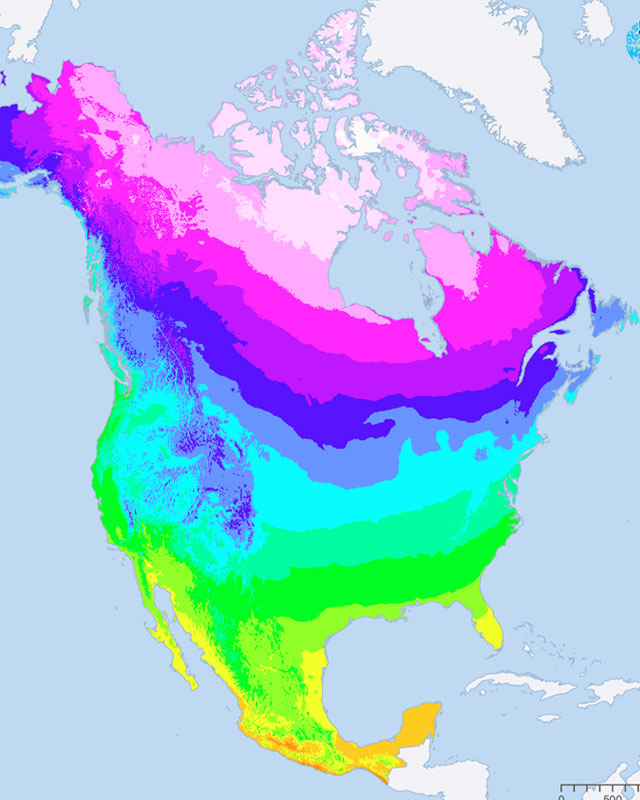
Ecosystems
Working with communities to conserve and restore North America's terrestrial and marine ecosystems and priority species
Enforcement
Supporting enforcement and compliance with domestic environmental law and with multilateral environmental agreements
Sustainable Living and Economies
Advancing the sustainability of our economic activities and life choices by identifying and fostering alternatives that effectively integrate the environmental, social and economic dimensions for a just and resilient North America. Our work is organized around four main areas:
Pollutants
Promoting clean air, water and land through prevention, reductions, and sound management of pollutant releases, toxic chemicals and hazardous waste
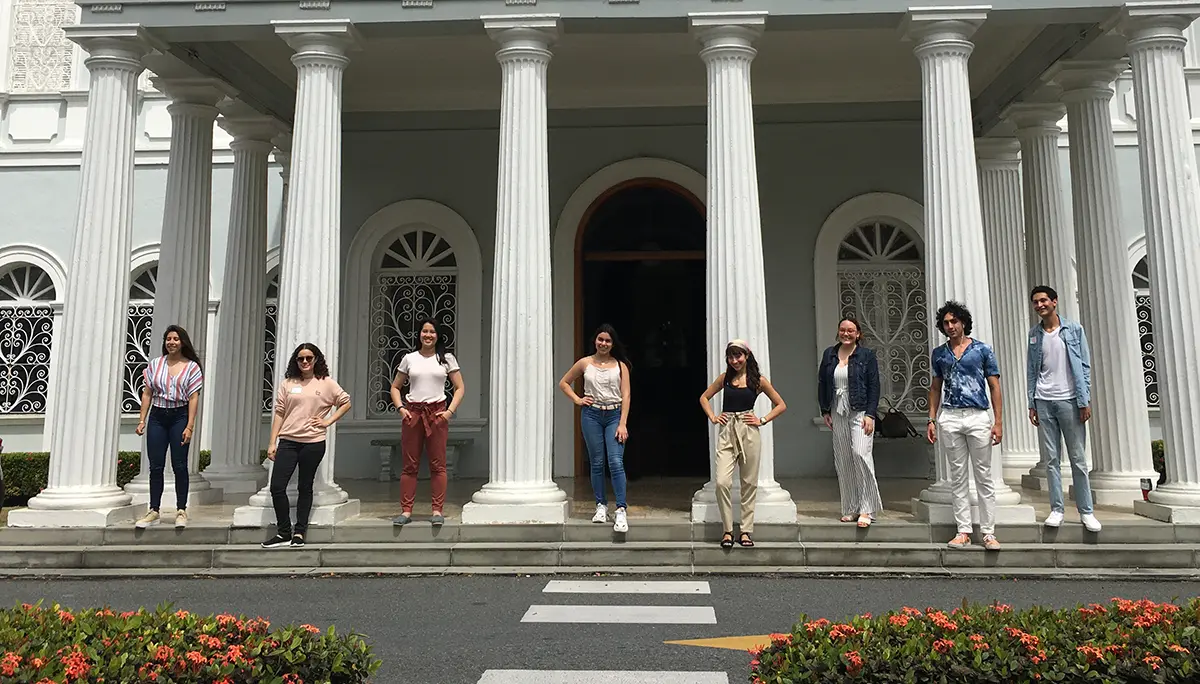
Youth Engagement
Over the years, the CEC has been committed to youth engagement and the efforts supported have provided youth with opportunities to raise awareness, provide tangible, sustainable, and innovative solutions for environmental issues in their communities, and influence CEC’s strategies, projects, and initiatives.
Indigenous Affairs
The Commission for Environmental Cooperation (CEC) recognizes the essential role that Indigenous Peoples and local communities play in environmental stewardship across Turtle Island, Madre Tierra, also known as North America.
Private Sector Engagement
The private sector plays a critical role in driving economic prosperity, innovation and sustainable development.
Featured Project
Air Quality Improvement for Environmental Justice
2022 Active Pollutants
Featured Publication
CEC’s work to support the Local Environmental Observer (LEO) Network (2015–2016)
Long-term Impact Assessment
October 24, 2022 7 pages Ecosystems
The Local Environmental Observer (LEO) Network is an online community of local observers and topic experts who share knowledge about unusual animal, environment, and weather events. The Network originated within the Alaska Tribal Health System as a project of the Alaska Native Tribal Health Consortium (ANTHC) in 2012 to bring local area experts in rural communities into contact with topic experts who might be far away.
Through LEO, members can share observations, connect on various topics with experts from different knowledge backgrounds—local, Indigenous, and scientific—help detect emerging environmental concerns in their communities and engage in a range of observer and citizen science opportunities. The Network aims to increase understanding of environmental change and help identify healthy and effective ways to adapt to it.
What We Do
We conduct research, provide tools and training, and provide a unique space for decision-makers and the public to engage on environmental policy issues affecting the North American region.