Empowering Vulnerable Communities to Prevent Toxic Chemical Exposure from Climate Change Events
@ THEA
Background
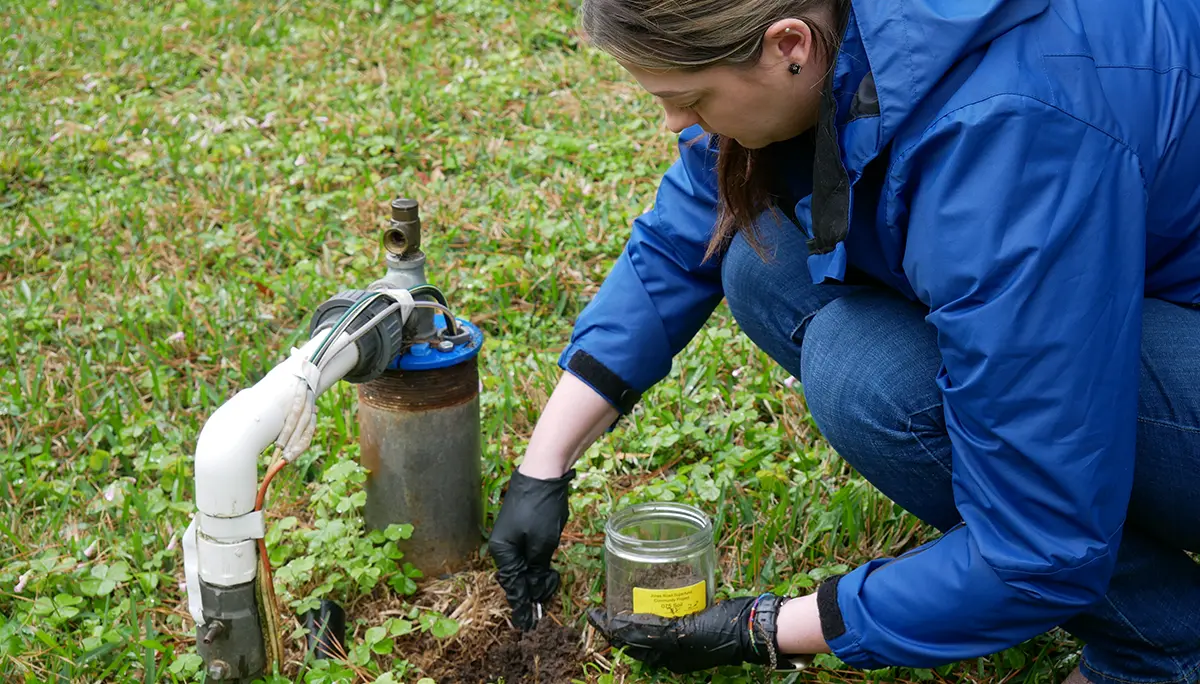
Communities in the Houston/Galveston Region are threatened by climate change-related weather and hydrogeological events that can release toxic waste from old, often forgotten, industrial sites.
Harris County, including Houston, has the majority of Superfund sites in Texas and the EPA has identified several as being threatened by climate change, but the problem is more widespread. Houston’s lax zoning and rapid growth resulted in many neighborhoods being built on or near nearly 2,000 old, now closed industrial sites. Toxic substances released by floodwaters and land subsidence could affect one-third of the Houston population.
Without a focused effort to increase environmental health literacy, especially in areas that have historically experienced environmental injustice, the region lacks effective tools to address this emerging threat.
Goals
- Raise public awareness of the potential threat on a regional scale. We aim to create an inclusive collaborative environment for stakeholder engagement.
- Train and empower emerging environmental leaders, especially in communities experiencing historic environmental injustice.
- Build a consensus for community led solutions.
Main activities
- Utilize the media, forums, and communications channels to provide factual information on this emerging threat in order to raise public awareness.
- Develop and train a cohort of leaders who will work within their communities through a formal environmental health literacy curriculum.
- Provide resources, expertise and mentoring to leaders to ensure their effectiveness.
- Foster an inclusive collaborative dialogue between community members, subject matter experts and government representatives.
Expected outcomes
By training the next generation of environmental leaders and raising public awareness, this project will create a framework for solutions where none exist today, especially in vulnerable communities where environmental justice is a concern. It will be designed as a model that communities in other cities can follow.