Transitioning Remote Communities to Renewable Energy
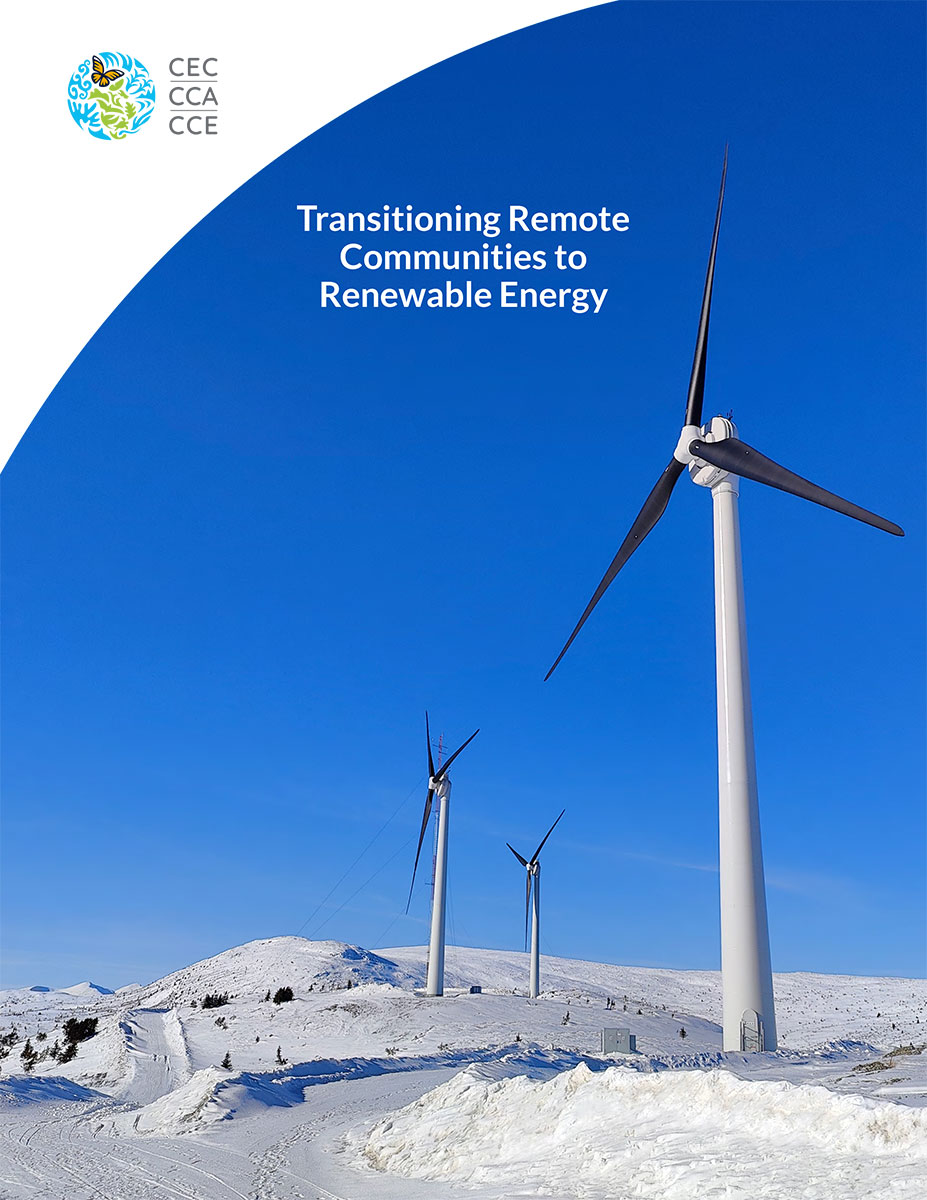
Transitioning Remote Communities to Renewable Energy
Description
Many remote and Indigenous communities across North America face unique challenges because of their geographic isolation, harsh climates and limited infrastructure. As a result, they often depend on costly and environmentally damaging diesel generators for electricity. This report analyzes nine case studies from Canada, Mexico and the United States that highlight successful renewable energy transition projects in remote communities, many of them community-led.
Based on site visits, extensive interviews and a structured collaboration with community members, the report focuses on the themes of self-determination, economic empowerment, environmental sustainability and technological innovation. The diverse range of renewable energy projects includes hydroelectric systems, wind turbines, solar microgrids and biomass heating—projects that demonstrate how each community leveraged local resources and cultural strengths.
The findings provide valuable guidance for policymakers, energy practitioners and funders aiming to support sustainable and resilient energy transitions in remote and Indigenous communities.
Additional Information
| Document Type: | Project publication |
| Theme: | Climate Change |
| Languages: |