
Nature-based Solutions to Address Flooding in Coastal Cities
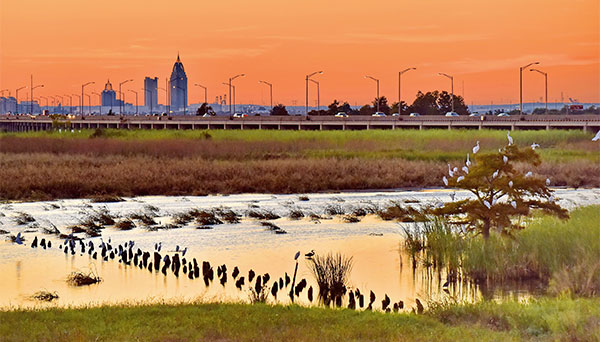
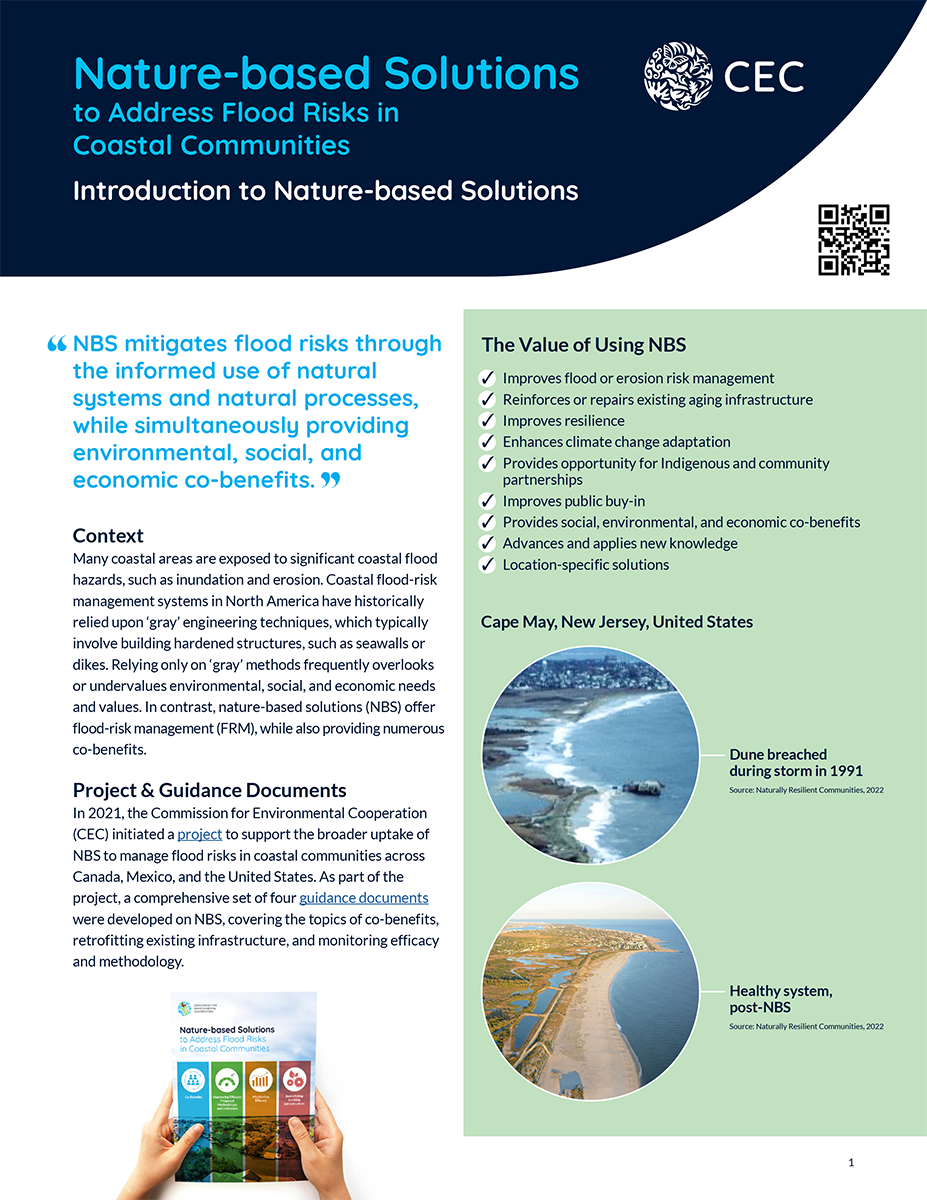
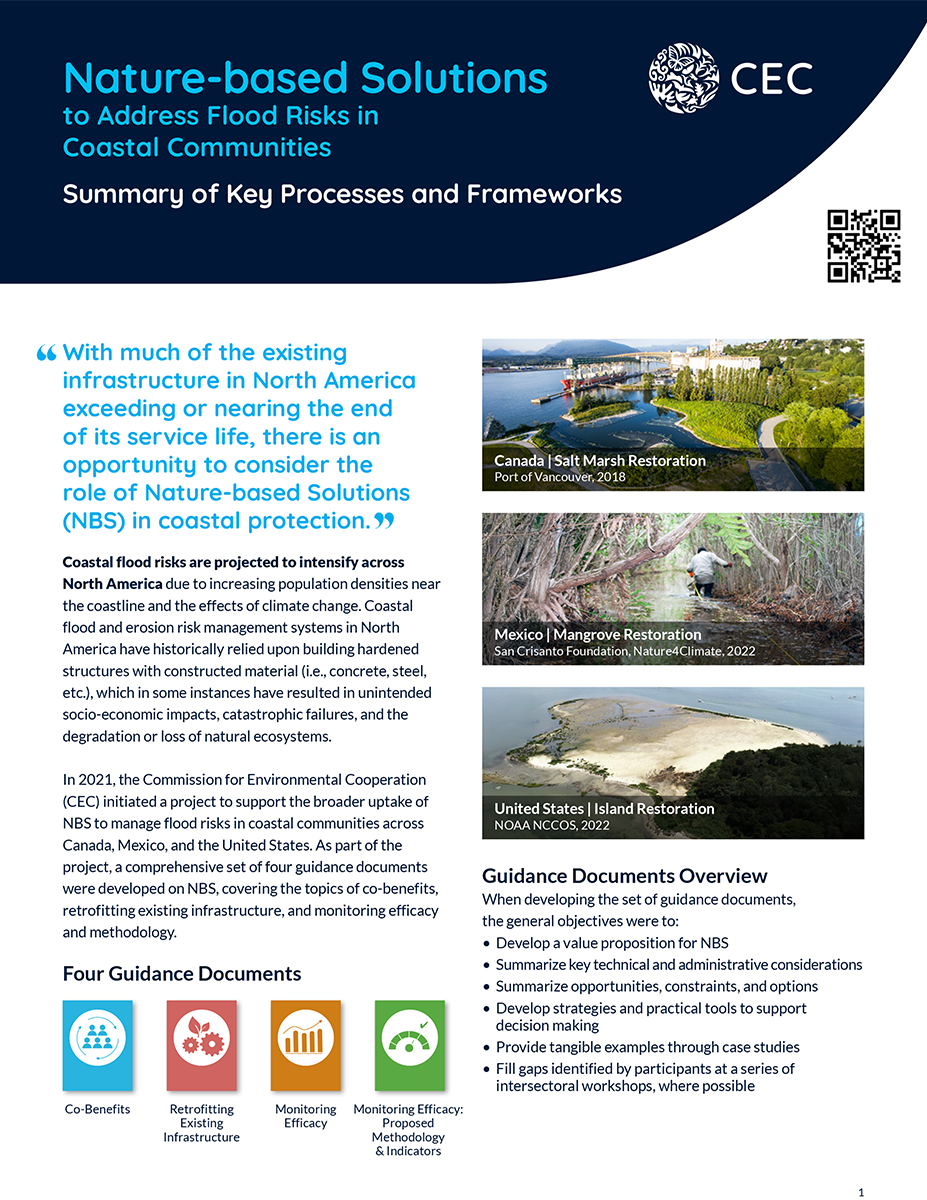
Natural areas adjacent to cities provide ecosystem benefits and services that support climate change adaptation for communities. Inspired by these systems, nature-based solutions (NBS) reduce flood and erosion risk through the protection, restoration, and sustainable management of natural coastal environments, and the construction of new features that mimic or work with ecological processes. NBS contribute to increased resilience in coastal areas, helping to manage risks with cost-effective, holistic, and innovative approaches, while also delivering co-benefits, such as habitat, recreation, and water quality. As countries look to finance infrastructure work in the context of a COVID-19 economic recovery, NBS represent one promising way to combine development, climate, disaster risk reduction and conservation objectives. Building on past collaborative experiences advancing knowledge on blue carbon, coastal adaptation, and extreme events, we are uniquely placed to build capacity for coastal communities to manage flood risk in a changing climate through NBS.
Issues
- Coastal cities are vulnerable to flooding due to land-use changes, ecosystem loss or transformation, population growth in coastal zones, sea-level rise, changes in the frequency and severity of storms, and ageing flood protection infrastructure.
- Nature-based solutions (NBS) can reduce flood and erosion risk through the protection, restoration, and sustainable management of natural coastal environments, but gaps and barriers prevent broader implementation of these types of solutions.
Aim
- We are bringing together practitioners from across North America to develop an interdisciplinary community of practice working on NBS.
- We are filling knowledge gaps to support the broader implementation of NBS in coastal cities in North America.
Deliverables
- An intersectoral community of practice to support the use of NBS to address coastal flooding in cities.
- A socio-economic analysis of NBS co-benefits.
- A practical synthesis of existing knowledge on retrofitting existing infrastructure while enhancing co-benefits.
- A guidance document on methodology and indicators to monitor the efficacy of NBS.
- Case studies highlighting best practices of implementing NBS in coastal cities.
- Online trainings and webinars for practitioners on implementing NBS in coastal cities.
Principal Results
The project is expected to support the uptake of nature-based solutions (NBS) by coastal communities planning to replace aging infrastructure and/or to install new infrastructure that addresses coastal flood risks, thus opening up options that may be better adapted to current and future environmental conditions and can deliver services beyond flood risk reduction. By providing decision-makers and practitioners with new, accessible information on retrofitting existing infrastructure and the co-benefits of NBS, as well as with guidance on monitoring the effectiveness of NBS and with examples of NBS application in North American communities, the project removed barriers to the implementation of these solutions. Furthermore, by providing a platform for practitioners to share practical examples and case studies of NBS enterprises, the project helped showcase NBS as an effective approach to reducing coastal flood risks.