Communities for Environmental Justice Network
Since April 2023, the Commission for Environmental Cooperation (CEC) has supported the creation of a trinational network to facilitate the exchange of community-based expertise, lessons learned, and practical guidance between network participants through the Communities for Environmental Justice Network (CEJN) project. The Network aims to strengthen the capacity of North American Indigenous, local, vulnerable, disadvantaged, and/or underserved communities to address environmental justice concerns in the context of climate change.
The initial development of the Communities for Environmental Justice Network is supported by the CEC, with the long-term goal that it will become a self-sustaining, member-driven structure that fosters collaboration and knowledge exchange across North America.
Issues
The project “Communities for Environmental Justice Network” (CEJN), aims to create a network of Indigenous, local vulnerable, disadvantaged, and/or underserved communities that have environmental justice concerns, in order to increase local capacity through the amplification and dissemination of community-based expertise, lessons learned, and guidance in the context of climate change.
Aim
Through the Network, participating members will contribute to the facilitation of learning and knowledge exchange processes, in particular traditional knowledge and practices, and develop a virtual resource library with the goal of strengthening the climate adaptation, mitigation and other capacity building of Indigenous, local, and vulnerable communities in Canada, Mexico and the United States.
Deliverables
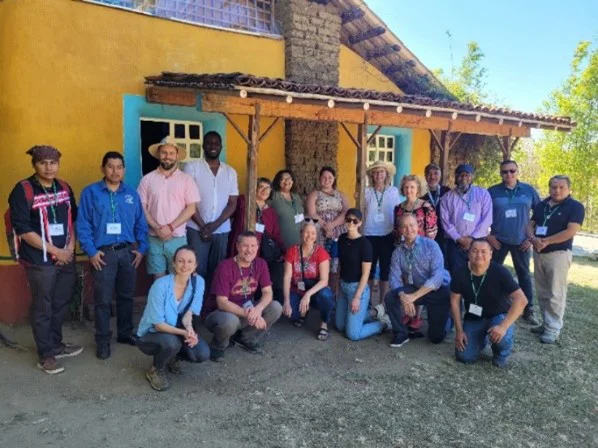
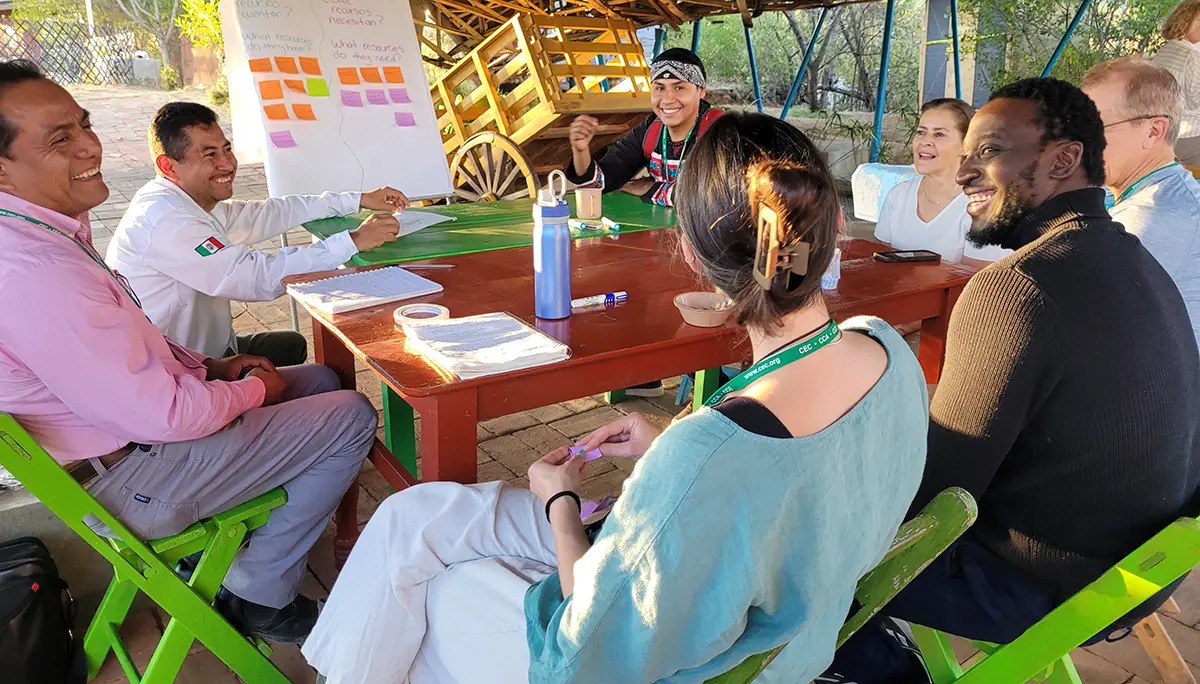
A Network of environmental justice communities that have actively participated in trinational workshop and identified culturally and contextually relevant strategies, methods and tools for addressing climate adaptation and mitigation in North America.
Principal Results
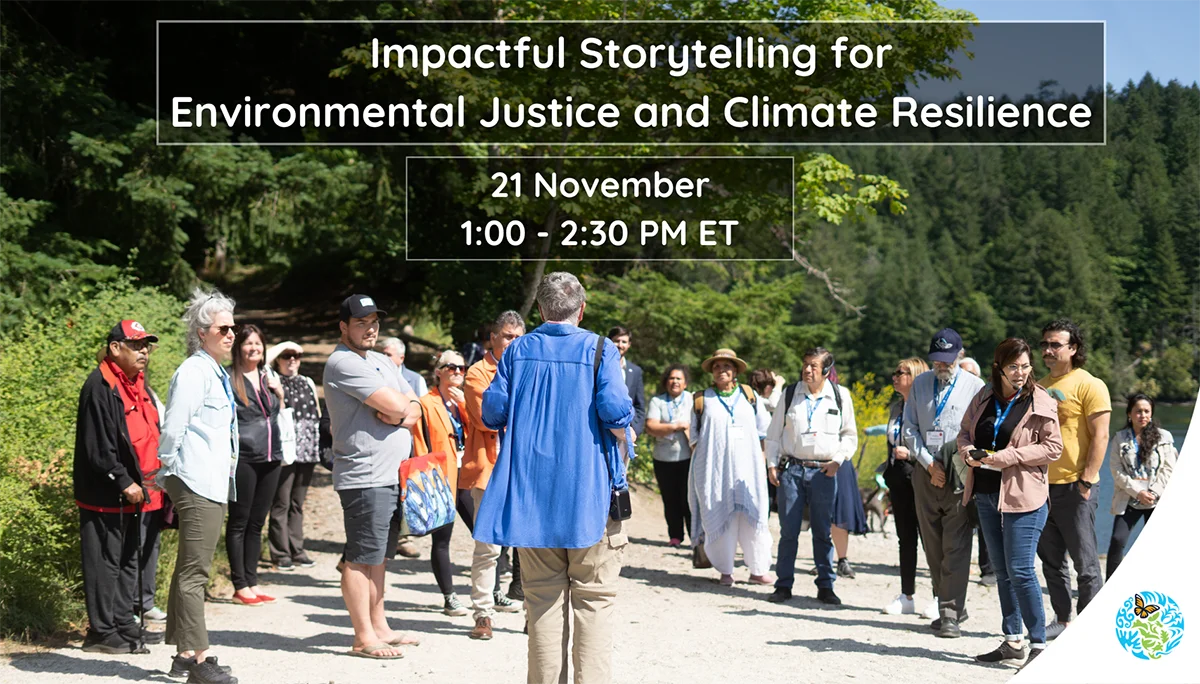
The Communities for Environmental Justice Network (CEJN) project supported the creation of a trinational network of communities to facilitate the exchange of expertise, lessons learned and practical guidance between network participants. The trilateral workshops and webinars that were co-created with participating communities and organizations, including the topics of impactful storytelling, innovative community engagement methods and strengthening community self-reliance, helped develop the capacity of Indigenous, local, vulnerable, disadvantaged, and/or underserved communities in North America to adapt and even thrive in the face of climate change. Networking opportunities also helped create informal alliances so that community members and organizations could work together and develop their local efforts. Finally, the following knowledge exchange tools were developed to improve community access to resources and culturally relevant information:
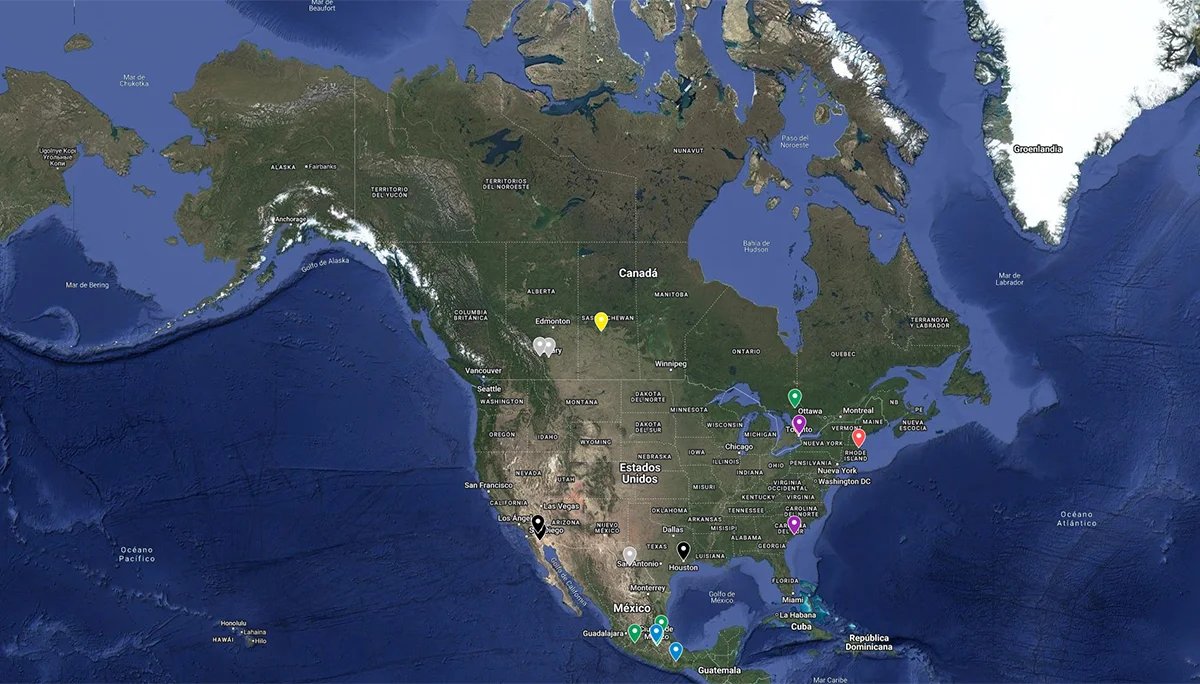
- The CEJN Story Map, an interactive tool designed to highlight the communities and organizations involved in the CEJN trinational workshops across North America; and
- The CEJN database (toolkit) on Community Environmental Justice Strategies and Tools for Climate Change Adaptation and Mitigation, featuring 25 communities/organizations and more than 100 resources.